Picture this: you’re searing a perfect steak when suddenly your kitchen fills with smoke, and your range hood just sits there doing absolutely nothing. That powerful ventilation system you rely on has turned into an expensive decoration, leaving you frantically opening windows and waving dish towels around like a madman.
A range hood that can’t remove smoke and odors defeats its entire purpose. When your kitchen ventilation fails, cooking becomes a smoky nightmare that leaves lingering odors throughout your home for hours or even days. The good news? Most range hood suction problems stem from a handful of common issues that you can diagnose and fix yourself.
Understanding Range Hood Ventilation Systems

AI Generated image · DALL-E 3
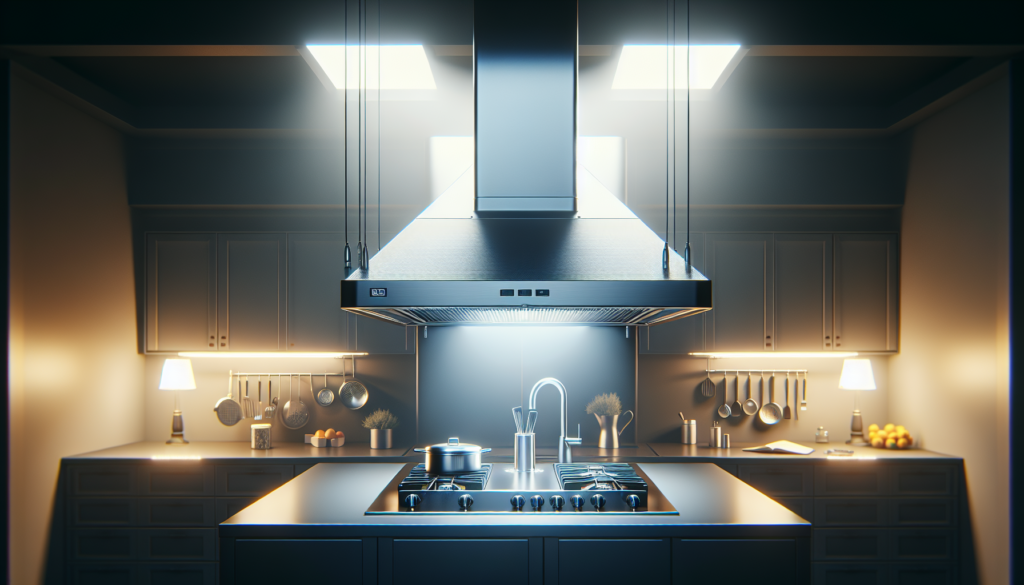
Range hoods work by creating negative pressure that draws smoke, steam, and cooking odors upward through filters and out of your kitchen. The system relies on three critical components working in harmony: the exhaust fan motor, the filtration system, and the ductwork or recirculation path.
Ducted range hoods vent air outside through ductwork, providing the most effective smoke and odor removal. Ductless or recirculating models filter air through charcoal filters before returning it to the kitchen. Understanding which type you have determines your troubleshooting approach.
The fan motor creates suction by spinning blades at high speed, typically generating between 200-1200 cubic feet per minute (CFM) of airflow. When any component in this system fails or becomes obstructed, your range hood loses its ability to effectively remove smoke and cooking byproducts.
Start by identifying your range hood type and checking if it’s properly connected to power before moving to more complex diagnostics.
Clogged Grease Filters Blocking Airflow

AI Generated image · DALL-E 3
Grease filters are the number one culprit behind weak range hood suction. These metal mesh or baffle filters trap cooking grease and particles, but they quickly become clogged with heavy use. A completely saturated filter can reduce airflow by up to 80%, rendering your range hood nearly useless.
Most range hoods use aluminum mesh filters or stainless steel baffle filters. Mesh filters require cleaning every 2-4 weeks with heavy cooking, while baffle filters can go 4-6 weeks between cleanings. Never operate your range hood without filters – grease will coat the fan motor and ductwork, causing permanent damage.
To clean grease filters, remove them by sliding out or lifting the latches. Soak aluminum filters in hot water with degreasing dish soap for 15-20 minutes, then scrub with a soft brush. For stubborn grease buildup, create a paste with baking soda and water. Baffle filters can typically go in the dishwasher on the top rack.
Pro tip: Hold filters up to light after cleaning – you should see light passing through easily. If they remain cloudy or darkened, replace them immediately.
Clean your grease filters right now if they haven’t been cleaned in the past month – this single step often restores full suction power.
Blocked Ductwork and External Vents

AI Generated image · DALL-E 3
Even with clean filters, blocked ductwork will strangle your range hood’s performance. Grease buildup, debris, or even bird nests can obstruct the path between your range hood and the exterior vent. Ductwork blockages are particularly common in homes with long duct runs or multiple bends.
Start by inspecting the external vent cover outside your home. Look for grease buildup, lint accumulation, or physical obstructions like leaves or pest nests. The vent damper should open freely when the range hood operates – if it stays closed or only partially opens, clean the hinges and remove any debris.
For internal ductwork inspection, you’ll need to remove the range hood or access panels to check the first few feet of ductwork. Look for grease accumulation, loose joints, or crushed sections. Flexible ductwork is particularly prone to damage and may need straightening or replacement.
Professional duct cleaning becomes necessary when blockages extend deep into the system. However, you can often resolve issues by cleaning accessible sections with degreasing agents and ensuring all connections are tight and properly sealed.
professional appliance diagnostics
Schedule a ductwork inspection if your range hood has gradually lost suction over several months – this pattern typically indicates progressive blockage buildup.
Faulty Exhaust Fan Motor Issues
When filters and ductwork are clean but suction remains weak, the exhaust fan motor may be failing. Range hood motors typically last 10-15 years but can fail earlier due to grease contamination, overheating, or electrical issues. Motor problems often start with reduced speed on higher settings before complete failure occurs.
Listen for unusual sounds when operating your range hood. A healthy motor runs relatively quietly with consistent airflow. Grinding, squealing, or intermittent operation indicates bearing wear or electrical problems. Never ignore burning smells from the motor housing – this suggests overheating that could lead to fire.
Testing motor function requires checking electrical connections and measuring voltage at the motor terminals. If you’re comfortable with electrical work, verify that the motor receives proper voltage (typically 120V) on all speed settings. A motor that receives power but doesn’t run likely has internal failure requiring replacement.
Motor replacement varies significantly between range hood models. Some units have easily accessible motors with plug-in connections, while others require complete disassembly. Always disconnect power at the circuit breaker before any electrical work and consider professional installation for hard-wired units.
Contact a technician immediately if you smell burning or see sparks from the motor area – these are serious safety hazards requiring immediate attention.
Damaged or Missing Charcoal Filters
Ductless range hoods rely entirely on charcoal filters to remove odors and smoke particles. Unlike grease filters, charcoal filters cannot be cleaned and must be replaced every 3-6 months depending on cooking frequency. Many homeowners don’t realize their ductless range hood even has charcoal filters, leading to complete system failure over time.
Charcoal filters sit behind the grease filters and appear as thick, black rectangular or circular pads. When saturated, they stop absorbing odors and may even release previously trapped particles back into your kitchen. A telltale sign of bad charcoal filters is persistent cooking odors even with the range hood running.
Replacement filters must match your specific range hood model number. Generic charcoal filters rarely fit properly and provide inferior performance. Check your owner’s manual or the existing filter for part numbers before ordering replacements.
Some high-end ductless models feature washable charcoal filters that can be cleaned and reactivated in the oven. However, most residential units use disposable filters that lose effectiveness quickly once saturated with grease and odors.
range hood maintenance schedule
Replace charcoal filters immediately if your ductless range hood hasn’t had filter changes in the past six months – old filters often cause more problems than no filters at all.
Incorrect Speed Settings and Controls
Many homeowners use their range hood on the lowest setting regardless of cooking intensity, then wonder why smoke isn’t properly removed. Effective smoke removal requires matching fan speed to cooking methods – high-heat searing needs maximum CFM, while gentle simmering works fine on lower settings.
Range hood controls can also malfunction, preventing proper speed selection or causing erratic operation. Touch controls are particularly susceptible to grease contamination, while mechanical switches can wear out over time. Clean control surfaces regularly with appropriate electronic cleaners to prevent buildup that interferes with operation.
Test each speed setting individually while holding a tissue near the range hood to verify airflow changes. The tissue should be drawn upward more forcefully on higher settings. If speeds feel identical or the fan doesn’t respond to control changes, the control board or switch assembly needs attention.
Some range hoods feature automatic sensors that adjust speed based on heat or smoke detection. These sensors can become dirty or miscalibrated, causing inadequate response to cooking conditions. Clean sensor areas according to manufacturer instructions and consider professional calibration if problems persist.
Run your range hood on high speed for the first few minutes of any cooking session, then adjust down as needed – this ensures immediate smoke capture before it spreads throughout your kitchen.
Improper Installation and Mounting Height
Range hood effectiveness depends critically on proper installation height and positioning. Units mounted too high can’t capture smoke effectively, while units too low interfere with cooking and may suffer heat damage. The standard mounting height ranges from 24-30 inches above electric cooktops and 30-36 inches above gas ranges.
Check that your range hood completely covers your cooktop with at least 3 inches of overhang on each side. Undersized range hoods cannot create adequate capture area regardless of CFM rating. The hood should also be level and securely mounted – vibration from loose mounting can reduce performance and create noise.
Ductwork routing affects performance significantly. Long duct runs, multiple bends, and undersized ducting all reduce airflow. Each 90-degree elbow reduces CFM by approximately 25 feet of straight ductwork equivalent. Flexible ductwork should be fully extended without kinks or compression.
Wall-mounted and island range hoods have different installation requirements. Island models need higher CFM ratings due to cross-drafts and lack of wall support for smoke capture. Professional installation ensures proper support and electrical connections for heavier units.
appliance installation requirements
Measure your current range hood height and compare to manufacturer specifications – improper height is often the hidden cause of poor performance even with perfect maintenance.
Professional Repair vs DIY Solutions
While many range hood issues respond well to DIY fixes, certain problems require professional expertise. Electrical issues, motor replacement, and ductwork modifications should always involve qualified technicians due to safety concerns and local code requirements.
DIY repairs work best for filter cleaning, minor ductwork cleaning, and basic control troubleshooting. You can safely handle these tasks with basic tools and safety precautions. However, never attempt electrical work beyond checking connections if you’re not completely comfortable with electrical systems.
Professional repair becomes cost-effective when multiple components need attention or when the range hood requires significant disassembly. Technicians have specialized tools for ductwork inspection and can identify problems that aren’t obvious to homeowners. They also ensure repairs meet local building codes and safety standards.
Consider replacement rather than repair for range hoods over 15 years old or units with multiple failing components. Modern range hoods offer better efficiency, quieter operation, and improved controls that justify replacement costs.
Energy Star ventilation guidelines
Schedule professional diagnosis if multiple DIY attempts haven’t restored proper function – persistent problems often indicate underlying issues requiring expert attention.
Frequently Asked Questions
Q: How often should I clean my range hood filters? Clean grease filters every 2-4 weeks with regular cooking, and replace charcoal filters every 3-6 months. Heavy cooking requires more frequent maintenance.
Q: Why does my range hood work but still leave cooking odors? This typically indicates saturated charcoal filters in ductless models or blocked ductwork in ducted systems. Check and replace filters or inspect external vents.
Q: Can I use my range hood without grease filters temporarily? Never operate without grease filters – grease will coat the motor and internal components, causing expensive damage and potential fire hazards.
Q: What CFM rating do I need for effective smoke removal? Plan for 100 CFM per linear foot of cooktop width as a minimum. High-heat cooking or professional ranges need 150+ CFM per foot.
Q: How do I know if my range hood motor is failing? Signs include reduced suction, unusual noises, intermittent operation, burning smells, or complete failure to start despite proper electrical supply.
Book a Repair Today
Don’t let a malfunctioning range hood turn every cooking session into a smoky ordeal. At Pros Fix Appliances, our certified technicians diagnose and repair all range hood brands and models quickly and affordably. We handle everything from simple filter replacements to complete motor rebuilds and ductwork modifications.
Contact us today for expert range hood repair service. We’ll restore your kitchen ventilation to peak performance and help you maintain it for