That awful grinding sound coming from your dishwasher during the wash cycle isn’t just annoying—it’s your appliance crying out for help before a minor issue becomes a major breakdown costing hundreds in repairs.
When your dishwasher starts making grinding, scraping, or metal-on-metal noises, you’re dealing with one of several mechanical issues that range from simple debris removal to motor replacement. The good news? Most grinding noise problems can be diagnosed and often fixed without calling a professional, saving you both time and money.
What Causes Dishwasher Grinding Noises

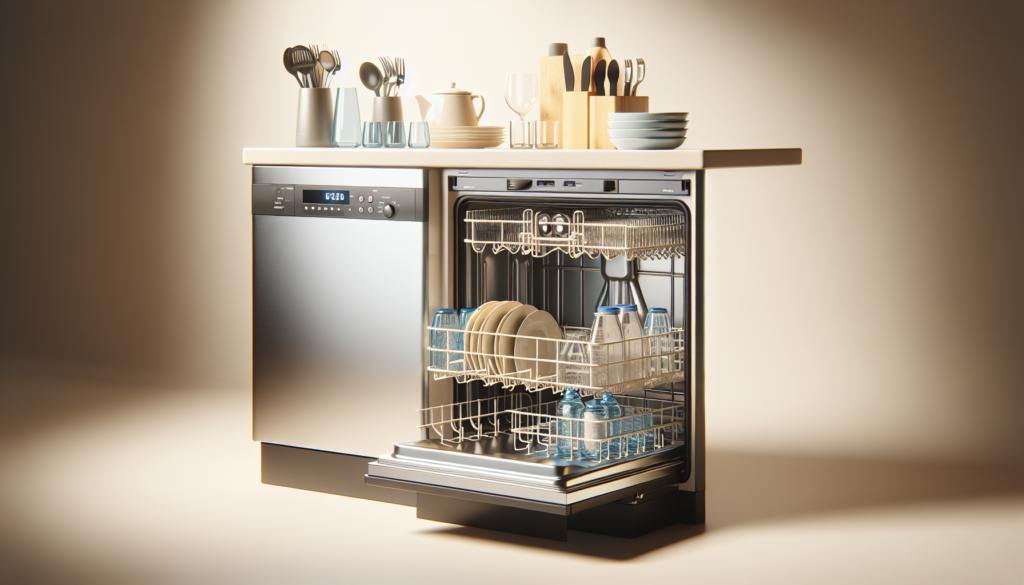
AI Generated image · DALL-E 3
Grinding noises in dishwashers typically stem from three main sources: debris interference, worn motor components, or damaged pump assemblies. Understanding the source helps you target the right solution.
The most common culprit is foreign objects—broken glass, food particles, or small utensils—that have made their way into the wash pump motor or chopper assembly. These items get caught in the impeller blades, creating that distinctive grinding sound as the motor tries to spin against the obstruction.
Worn motor bearings represent another frequent cause. After years of operation, the bearings that allow smooth motor rotation begin to deteriorate, causing metal-on-metal contact that produces grinding or squealing noises.
Start by running an empty cycle and listening carefully to pinpoint when the grinding occurs—during fill, wash, or drain phases—as this helps narrow down the problem area.
Checking for Debris in the Dishwasher Pump

AI Generated image · DALL-E 3
Before diving into motor diagnostics, always check for debris first—it’s the easiest fix and resolves about 70% of grinding noise complaints.
Turn off power to your dishwasher at the circuit breaker before starting any inspection. Remove the bottom dish rack and unscrew the bottom spray arm by turning it counterclockwise or lifting it straight up, depending on your model.
Look for the cylindrical filter assembly at the bottom center of the tub. Unscrew and lift out this filter—you’ll likely find food particles, broken glass, or small objects that have accumulated over time.
Check the chopper area beneath the filter. Use a flashlight to inspect for any visible debris around the impeller blades. Small bones, toothpicks, or glass shards commonly lodge here, causing grinding sounds when the motor attempts to operate.
Clean everything thoroughly with warm water and a soft brush, ensuring no debris remains before reassembling components in reverse order.
Diagnosing Motor Bearing Problems

AI Generated image · DALL-E 3
If debris removal doesn’t eliminate the grinding noise, you’re likely dealing with motor bearing failure—a more complex but still manageable repair for handy homeowners.
Motor bearing problems typically manifest as grinding noises that occur consistently throughout the wash cycle, often accompanied by reduced cleaning performance as the motor struggles to maintain proper speed.
Access the wash motor assembly by removing the dishwasher’s bottom front panel and disconnecting the motor from its mounting bracket. The motor is usually held by three or four bolts and connected via electrical harnesses.
Test motor rotation by attempting to spin the motor shaft by hand with the power disconnected. Smooth rotation indicates healthy bearings, while grinding, binding, or excessive play suggests bearing replacement is needed.
Document the motor’s model number before removal—many bearing kits are motor-specific and ordering the wrong parts leads to additional delays and frustration.
Replacing Dishwasher Wash Pump Motors
Motor replacement becomes necessary when bearing damage is severe or when the motor housing itself is cracked or damaged beyond repair.
Disconnect all electrical connections to the motor, taking photos before removal to ensure proper reconnection. The motor typically connects to the main control board via a multi-wire harness and may have additional connections to the drain pump assembly.
Remove the pump housing from the motor by unbolting the connection points. New motors usually come with a new pump housing, but verify this before starting the repair to avoid compatibility issues.
Install the new motor by reversing the removal process, ensuring all electrical connections are secure and properly seated. Hand-tighten all bolts initially, then use a wrench for final tightening to avoid over-torquing and cracking the housing.
Run a test cycle without dishes to verify proper operation and confirm the grinding noise is eliminated before returning the dishwasher to normal use.
Preventing Future Motor and Pump Issues
Regular maintenance prevents most grinding noise problems and extends your dishwasher’s operational life significantly.
Clean the filter system monthly by removing and thoroughly washing all filter components. Food particles that pass through the filters eventually reach the motor and pump assemblies, causing premature wear and noise issues.
Pre-rinse dishes to remove large food particles, bones, and debris that can damage motor components. While modern dishwashers handle some food residue, large particles still cause problems over time.
Inspect the bottom of the tub regularly for foreign objects that may have fallen through the dish racks. Small items like bottle caps, pieces of broken dishes, or utensils can work their way into the pump system.
Schedule annual maintenance checks with a qualified technician who can inspect motor bearings, pump seals, and other wear components before they fail completely and cause more extensive damage.
Frequently Asked Questions
Q: Can I run my dishwasher if it’s making grinding noises? Continued operation with grinding noises can cause severe damage to the motor and pump assemblies, potentially requiring complete replacement rather than simple repairs.
Q: How much does dishwasher motor replacement typically cost? Professional motor replacement usually ranges from $200-400 including parts and labor, while DIY replacement costs $75-150 for the motor assembly alone.
Q: Why does grinding noise happen more in older dishwashers? Older units accumulate more debris over time and experience normal wear on motor bearings, seals, and pump components that eventually require replacement or maintenance.
Q: Can hard water cause motor grinding problems? Hard water creates mineral buildup that can affect motor cooling and lubrication, potentially accelerating bearing wear and contributing to grinding noises over time.
Q: Should I attempt motor replacement myself or call a professional? Motor replacement requires electrical work and precise reassembly—if you’re comfortable with appliance repair and have proper tools, it’s manageable, otherwise professional service ensures proper installation.
Book a Repair Today
Don’t let grinding noises destroy your dishwasher’s motor and pump systems. Contact Pros Fix Appliances today for expert diagnosis and professional repair services. Our experienced technicians can quickly identify the source of grinding noises and provide cost-effective solutions that restore your dishwasher to quiet, efficient operation. Schedule your dishwasher repair appointment and get back to hassle-free dish cleaning.
Learn about common dishwasher problems