Picture this: you’re enjoying a quiet evening when suddenly your washing machine sounds like it’s trying to launch into orbit. That violent shaking during the spin cycle isn’t just annoying—it’s a cry for help that could lead to expensive damage if ignored.
Understanding Why Washing Machines Shake Violently

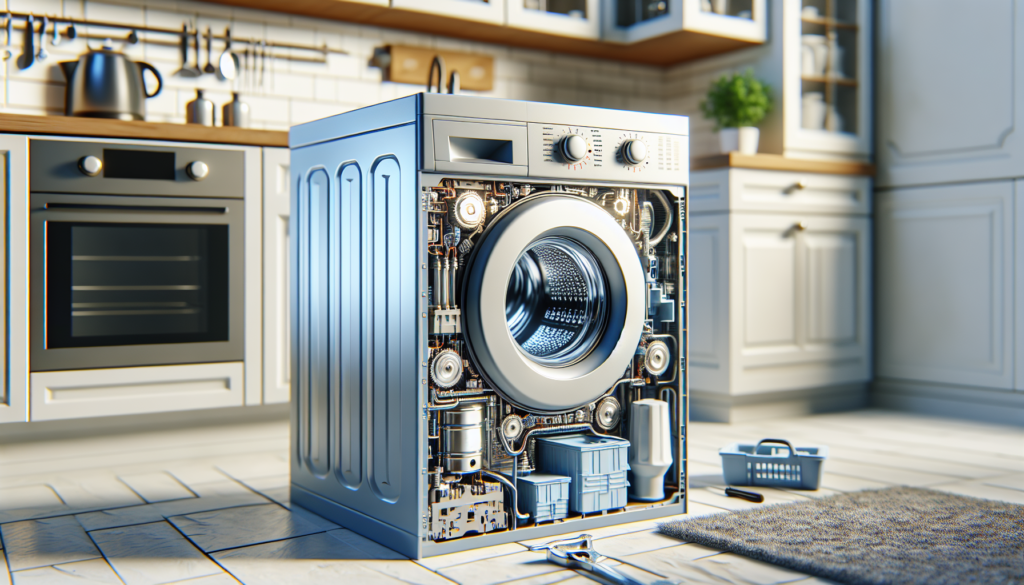
AI Generated image · DALL-E 3
When your washer transforms into a earthquake simulator, several culprits could be at play. The most common cause is an unbalanced load, but worn suspension components, incorrect leveling, or mechanical failures can also trigger this destructive dance.
During the spin cycle, your washer drum rotates at speeds up to 1,200 RPM. Even a small imbalance gets amplified exponentially at these speeds, creating violent vibrations that can damage your floor, the machine itself, and nearby appliances.
The suspension system in your washer—including springs, shock absorbers, and dampening straps—works overtime to contain these forces. When any component fails, the entire system becomes unstable.
Check your washer immediately if shaking occurs. Continuing to run an unbalanced machine can destroy the drum bearings, crack the tub, or damage the transmission—repairs that often cost more than replacement.
Diagnosing Load Distribution Problems

AI Generated image · DALL-E 3
Most violent shaking stems from simple load distribution issues that you can fix in minutes. Heavy items clumping together create an off-center weight that throws the entire drum out of balance.
Common load problems include: • Comforters and blankets wrapping around the agitator • Heavy jeans bunched on one side of the drum • Single large items like bath mats or rugs • Mixing heavy and lightweight fabrics in the same load • Overloading the drum beyond capacity
Stop the cycle immediately when violent shaking begins. Never attempt to open the lid while the drum is spinning—wait for complete shutdown.
Redistribute the load by separating clumped items and spreading them evenly around the drum. Remove excess items if the load exceeds the manufacturer’s weight recommendations, typically 12-16 pounds for standard top-loaders.
Restart the spin cycle and observe. If shaking continues with a properly balanced load, you’re dealing with a mechanical issue that requires deeper investigation.
Checking and Adjusting Washer Level

AI Generated image · DALL-E 3
An improperly leveled washer amplifies every vibration, turning minor imbalances into major shake-fests. Most washers sit on four adjustable legs that must be precisely positioned for stable operation.
Use a carpenter’s level to check both front-to-back and side-to-side positioning. Place the level on top of the washer in different positions to identify which corners need adjustment.
To adjust the legs:
- Unplug the washer and pull it away from the wall
- Tilt the machine slightly to access the leg nuts
- Turn the leg nuts counterclockwise to extend legs, clockwise to retract
- Make small adjustments—quarter turns at most
- Check level frequently during adjustment process
- Ensure all four legs contact the floor firmly
Lock nuts on some models prevent legs from shifting during operation. Tighten these after achieving proper level, but don’t overtighten as this can crack the leg threads.
Test your work by pushing down on each corner of the washer. A properly leveled machine should feel stable with minimal rocking motion.
Washing Machine Won’t Spin? Fix Drive Belt & Motor Issues Fast
Inspecting Suspension Springs and Shock Absorbers
The suspension system keeps your washer’s violent spin forces contained within the cabinet. Worn or broken suspension components are leading causes of excessive vibration that worsens over time.
Top-loading washers typically use suspension springs attached to the tub’s corners, while front-loaders employ shock absorbers similar to car suspension systems. Both systems can wear out from normal use or fail catastrophically.
Signs of suspension failure include: • Gradual increase in vibration over several months • Visible sagging or tilting of the inner tub • Metallic grinding or clunking sounds • Springs that appear stretched or broken • Leaking fluid from shock absorbers
Access the suspension components by removing the washer’s back panel or front service panel, depending on your model. Compare springs on both sides—they should appear symmetrical and evenly tensioned.
Replace suspension components in pairs to maintain balance. Using mismatched parts creates new vibration problems that defeat the repair purpose.
Document the original spring positions with photos before removal. Incorrect installation can make vibration problems worse than before the repair.
Examining Drum Bearings and Drive Components
When suspension and leveling aren’t the culprits, internal mechanical components may be causing the violent shaking. Worn drum bearings, loose drive belts, or damaged coupling assemblies create imbalances that increase during high-speed spinning.
Drum bearing failure produces distinctive symptoms beyond just shaking. Listen for grinding, squealing, or rumbling sounds that worsen during the spin cycle. You might also notice rust-colored water or metal shavings around the drum area.
To check bearing condition:
- Unplug the washer and remove any remaining water
- Manually rotate the drum in both directions
- Feel for rough spots, binding, or excessive play
- Listen for grinding or scraping sounds
- Check for vertical drum movement that exceeds normal limits
Drive belt problems manifest as slipping, squealing, or erratic drum rotation. Inspect the belt for fraying, cracking, or glazing that reduces grip on the pulleys.
Bearing replacement requires significant disassembly and specialized tools. Most homeowners should consult professional repair services for these internal mechanical issues rather than attempting DIY fixes.
Why Your Washer is Leaking: A Complete Diagnostic and Repair Guide
Professional Repair vs DIY Solutions
While load balancing and leveling fall within most homeowners’ capabilities, mechanical component replacement often requires professional expertise and specialized tools.
DIY-friendly repairs include: • Load redistribution and proper loading techniques • Leg leveling and adjustment • Basic cleaning of lint and debris • Visual inspection of accessible components
Professional repair becomes necessary for: • Suspension spring or shock absorber replacement • Drum bearing replacement or rebuilding • Drive motor or transmission issues • Control board or sensor malfunctions • Structural damage to the tub or frame
Cost considerations play a crucial role in repair decisions. Simple fixes cost nothing but time, while major mechanical repairs can approach 50-70% of replacement cost.
Age matters significantly in this equation. Washers older than 8-10 years with major mechanical failures often make better candidates for replacement than expensive repairs.
Get multiple diagnostic opinions for expensive repairs. Some issues that appear complex have simple solutions that save hundreds of dollars.
When to DIY vs Call a Professional: Appliance Repair Safety Guide
Preventive Maintenance for Stable Operation
Regular maintenance prevents most violent shaking issues before they start. Simple monthly tasks keep your washer running smoothly and extend its operational lifespan.
Monthly maintenance checklist: • Check and clean the lint filter or drain trap • Inspect door seals for damage or debris buildup • Run an empty cleaning cycle with washing machine cleaner • Verify proper leg positioning and level • Listen for unusual noises during operation
Load management practices prevent most balance-related problems: • Sort loads by fabric weight and type • Fill the drum evenly around the agitator • Don’t exceed manufacturer capacity recommendations • Stop cycles if violent shaking begins • Balance small loads with similar-sized items
Professional maintenance every 2-3 years catches developing problems before they cause major failures. Technicians can spot early suspension wear, bearing issues, or calibration problems during routine service visits.
Energy Star appliance efficiency guidelines
Document any unusual behaviors in a maintenance log. Patterns help technicians diagnose intermittent problems that don’t occur during service visits.
Frequently Asked Questions
Q: Can I continue using my washer if it shakes violently during spin cycles? No, continuing to operate a violently shaking washer can cause serious damage to internal components, your floors, and nearby appliances. Stop the cycle immediately and investigate the cause.
Q: How much vibration is normal during the spin cycle? Some vibration is normal, but the washer should remain stable on its legs without walking across the floor or creating loud banging sounds. Violent shaking that moves the entire machine indicates a problem.
Q: Why does my washer only shake with certain types of loads? Heavy items like comforters, rugs, or multiple pairs of jeans are more likely to create unbalanced loads. These items tend to clump together or distribute unevenly, causing spin cycle imbalance.
Q: Can a washer shake itself apart from violent vibrations? Yes, prolonged violent shaking can damage drum bearings, crack the tub, loosen electrical connections, and break suspension components. Early intervention prevents expensive damage.
Q: How often should I check my washer’s level? Check the level every 6 months or whenever you notice increased vibration. Moving the washer for cleaning or maintenance can shift the leg positions and affect stability.
Book a Repair Today
Don’t let a shaking washer destroy your laundry room or damage your home’s foundation. At Pros Fix Appliances, our certified technicians diagnose and repair washing machine vibration problems quickly and affordably. We service all major brands and provide same-day service throughout the San Fernando Valley. Call us today to schedule your washer repair and restore peace to your laundry routine. Your clothes—and your neighbors—will thank you!