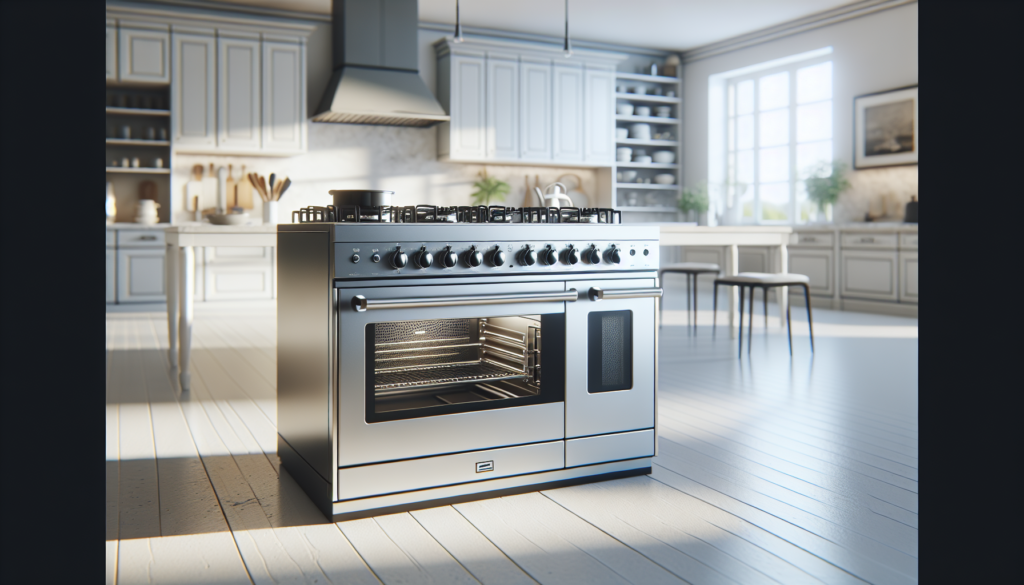
That familiar “whoosh” of your gas stove igniting suddenly becomes a frustrating cycle of relighting the same pilot light every time you want to cook dinner. When your gas stove’s pilot light refuses to stay lit, it’s not just annoying—it’s a sign that critical safety components need attention.
Understanding Your Gas Stove’s Pilot Light System

AI Generated image · DALL-E 3
Your gas stove’s pilot light system operates as a carefully orchestrated safety mechanism. The pilot light burns continuously, providing the flame needed to ignite your burners on demand. This small flame heats a thermocouple—a metal sensor that generates electrical current when heated.
The thermocouple sends this electrical signal to the gas safety valve, telling it that a flame is present and it’s safe to allow gas flow. When the pilot light goes out, the thermocouple cools down, stops generating current, and signals the safety valve to shut off gas flow completely.
Three main components work together: the pilot light itself, the thermocouple sensor, and the electromagnetic safety valve. When any of these fail, your pilot light won’t stay lit consistently.
Check your pilot light flame right now—it should burn blue with a small yellow tip, standing about 1/4 inch tall.
Common Causes of Pilot Light Problems

AI Generated image · DALL-E 3
Several factors cause pilot lights to extinguish repeatedly. Dirty pilot assemblies top the list, as grease and food particles block proper gas flow and flame formation. A weak or inconsistent flame results, which can’t adequately heat the thermocouple.
Thermocouple failure ranks as the second most common culprit. These sensors typically last 10-15 years but deteriorate over time. A failing thermocouple generates insufficient electrical current, causing the safety valve to shut off gas flow prematurely.
Draft issues also plague pilot lights. Kitchen ventilation, air conditioning, or even opening nearby doors can create airflow that extinguishes the small flame. Poor ventilation or blocked air vents compound this problem.
Additional causes include: • Loose thermocouple connections • Bent or misaligned pilot tube • Gas pressure irregularities • Corroded safety valve components
Observe when your pilot light goes out—note whether it happens during cooking, after using exhaust fans, or seemingly at random times.
Step-by-Step Thermocouple Inspection and Cleaning

AI Generated image · DALL-E 3
Start by turning off the gas supply at both the stove controls and the main gas shut-off valve. Allow the stove to cool completely before beginning any work on the pilot assembly.
Remove the burner grates and drip pans to access the pilot light assembly. Locate the thermocouple—it’s the small copper or stainless steel tube positioned directly in the pilot flame’s path. The thermocouple connects to the gas valve with a threaded fitting.
Clean the thermocouple carefully using fine steel wool or emery cloth. Remove any carbon buildup, grease, or corrosion from the sensor tip. Avoid using harsh chemicals or abrasive materials that could damage the sensitive component.
Check the thermocouple’s position relative to the pilot flame. The sensor tip should sit directly in the flame’s path, approximately 1/4 to 3/8 inch from the pilot burner. Gently bend the thermocouple bracket if adjustment is needed.
Inspect the electrical connections at the gas valve. Ensure the thermocouple wire connects securely and shows no signs of corrosion or damage. Tighten loose connections with appropriate wrenches.
Test the cleaned thermocouple by relighting the pilot and observing flame stability for at least 10 minutes.
Replacing a Faulty Thermocouple
When cleaning doesn’t resolve the issue, thermocouple replacement becomes necessary. Purchase the correct replacement part using your stove’s model number—thermocouples aren’t universal and must match your specific gas valve system.
Begin replacement with the gas supply completely shut off. Disconnect the thermocouple from the gas valve by unscrewing the threaded fitting with a wrench. Support the gas valve to prevent stress on gas lines during this process.
Remove the thermocouple from its mounting bracket near the pilot burner. Some models use clips or screws to secure the thermocouple in position. Note the exact positioning and routing of the old thermocouple before removal.
Install the new thermocouple by reversing the removal process. Route the new sensor exactly as the original was positioned. Ensure the sensor tip aligns properly with the pilot flame location.
Connect the thermocouple to the gas valve, tightening the fitting snugly but not over-tight. Over-tightening can damage the threads and create gas leaks.
Turn on the gas supply and test the new installation by lighting the pilot light and monitoring its stability.
Replace thermocouples in pairs if your stove has multiple pilot lights—when one fails, others often follow shortly.
Safety Valve Troubleshooting and Maintenance
The electromagnetic safety valve controls gas flow based on thermocouple signals. When this valve malfunctions, pilot lights go out even with properly functioning thermocouples. Safety valve problems often manifest as delayed ignition or complete failure to maintain gas flow.
Test the safety valve by observing pilot light behavior during ignition. Hold the pilot control knob down for 30-45 seconds after lighting—this manually overrides the safety system. If the pilot stays lit during this period but goes out immediately when you release the knob, suspect safety valve issues.
Electrical problems within the valve mechanism cause many failures. Check all wire connections leading to the valve for looseness or corrosion. Clean connections with contact cleaner and ensure tight, secure attachment.
Some safety valves include adjustable components that control sensitivity to thermocouple signals. Consult your stove’s service manual for specific adjustment procedures, as improper adjustments can create dangerous conditions.
Signs requiring professional valve service include: • Gas odors near the valve • Visible corrosion on valve body • Inconsistent gas flow to burners • Clicking sounds from the valve during operation
Never attempt to bypass safety valve systems—these components prevent dangerous gas leaks and potential explosions.
When to Call Professional Help
Certain pilot light problems require professional intervention for safety and legal compliance. Gas line issues, valve replacements, and complex electrical problems exceed typical homeowner capabilities and often require licensed technicians.
Call professionals immediately if you detect gas odors that persist after addressing pilot light problems. Strong gas smells indicate leaks that pose serious safety hazards requiring immediate attention from qualified technicians.
Complex diagnostic procedures involving gas pressure testing, valve calibration, and electrical system analysis need professional equipment and expertise. When to DIY vs Call a Professional: Appliance Repair Safety Guide helps determine appropriate repair approaches.
Professional service becomes essential when multiple attempts at thermocouple replacement and cleaning fail to resolve pilot light problems. Underlying issues with gas regulators, main valve assemblies, or stove ventilation systems require specialized knowledge.
Additionally, many areas require licensed professionals for gas appliance repairs to maintain insurance coverage and comply with local codes. Check local gas appliance codes before undertaking major repairs.
Document all symptoms and attempted repairs before calling—this information helps technicians diagnose problems more efficiently.
Preventive Maintenance for Long-Term Reliability
Regular maintenance prevents most pilot light problems and extends component life significantly. Monthly pilot assembly cleaning removes grease buildup before it affects flame quality or thermocouple operation.
Keep the area around pilot lights clear of spills, crumbs, and cooking residue. Even small amounts of debris can disrupt proper flame formation and lead to thermocouple problems. Wipe down the entire cooktop area after cooking sessions.
Monitor pilot flame characteristics weekly. Healthy pilot flames burn steadily with minimal flickering, maintain consistent blue color with small yellow tips, and respond immediately to gas control adjustments. Changes in flame behavior signal developing problems.
Check thermocouple positioning monthly, as vibration and normal use can gradually shift sensor alignment. Proper positioning ensures optimal heat transfer from pilot flame to thermocouple sensor.
Annual professional maintenance includes comprehensive gas pressure testing, safety valve calibration, and complete system inspection. Easy Seasonal Refrigerator Maintenance – What You Need to Know provides additional maintenance scheduling guidance.
Maintenance tasks you can perform safely include: • Regular pilot assembly cleaning • Visual inspection of gas connections • Monitoring flame characteristics • Keeping cooktop surfaces clean
Schedule professional service annually to maintain optimal performance and safety compliance.
Frequently Asked Questions
Q: How long should I hold the pilot control knob when relighting? Hold the knob for 30-45 seconds after the pilot lights to allow the thermocouple to heat up and generate sufficient electrical current for the safety valve.
Q: Why does my pilot light go out only when using the exhaust fan? Strong air currents from exhaust fans can extinguish pilot lights. Try reducing fan speed or adjusting pilot flame height to maintain stability during ventilation.
Q: Can I use my gas stove if the pilot light keeps going out? It’s unsafe to use burners without stable pilot lights. The safety system prevents proper ignition and could allow unburned gas to accumulate.
Q: How often should thermocouples be replaced? Quality thermocouples typically last 10-15 years with proper maintenance. Replace them when cleaning and adjustment fail to resolve pilot light problems.
Q: What causes pilot light flames to burn yellow instead of blue? Yellow flames indicate incomplete combustion, usually caused by dirty pilot assemblies, inadequate air supply, or gas pressure irregularities requiring professional attention.
Book a Repair Today
Don’t let pilot light problems disrupt your cooking routine or compromise your family’s safety. Contact at Pros Fix Appliances for expert gas stove diagnosis and repair services. Our experienced technicians handle thermocouple replacements, safety valve repairs, and complete pilot light system maintenance with guaranteed results. Call today to schedule your appointment and restore reliable cooking performance to your gas stove.