That persistent humming from your refrigerator at 3 AM isn’t just annoying—it’s your fridge crying for help, and ignoring it could cost you hundreds in spoiled food and emergency repairs.
What Causes Refrigerator Humming and Buzzing Noises?
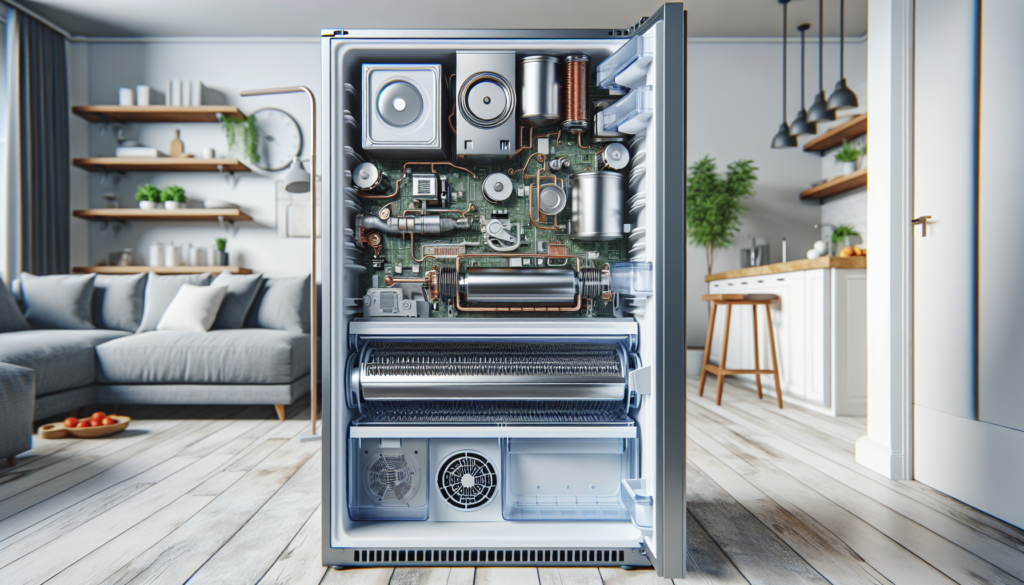
Modern refrigerators contain multiple moving parts that work around the clock to keep your food fresh. When these components start wearing out or become obstructed, they create distinct humming, buzzing, or grinding sounds that signal specific problems.

AI Generated image · DALL-E 3
The most common culprits behind excessive refrigerator noise include:
• Condenser fan motor – Located near the compressor, circulates air over cooling coils • Evaporator fan motor – Inside the freezer compartment, moves cold air throughout the unit • Compressor – The heart of the cooling system, can develop internal issues • Water inlet valve – Controls ice maker and water dispenser functions • Defrost timer – Cycles the refrigerator through defrost modes
Each component produces different sound patterns when failing. A loud, constant humming usually points to fan motor issues, while intermittent buzzing often indicates electrical problems with the compressor or water valve.
Start by identifying when the noise occurs—during normal operation, ice making cycles, or defrost periods.
Diagnosing Condenser Fan Motor Problems
The condenser fan motor sits behind or underneath your refrigerator, working with the compressor to remove heat from the cooling system. When this fan struggles or fails, you’ll hear loud humming, especially when the compressor runs.

AI Generated image · DALL-E 3
Common condenser fan symptoms: • Continuous loud humming from the back of the refrigerator • Refrigerator running hot or not cooling properly • Dust and debris visible around the fan area • Fan blades that don’t spin freely when manually turned
To diagnose condenser fan issues, first unplug your refrigerator and locate the condenser fan near the compressor (usually at the bottom rear). Remove the access panel and inspect the fan for obvious obstructions like dust buildup, pet hair, or small objects.
Try spinning the fan blades by hand—they should rotate smoothly without resistance. If they’re stuck or grinding, the motor bearings are likely worn and need replacement.
Clean away all debris using a soft brush and vacuum, then plug the unit back in to test if the noise persists.
Fixing Evaporator Fan Motor Issues
The evaporator fan motor hides inside your freezer compartment, behind the back panel. This fan circulates cold air throughout both the freezer and refrigerator sections. When it malfunctions, you’ll hear humming or buzzing sounds coming from inside the unit.

AI Generated image · DALL-E 3
Evaporator fan problem indicators: • Humming or buzzing from inside the freezer • Poor air circulation between freezer and fridge sections • Frost buildup on the back freezer wall • Temperature inconsistencies in different areas
Access the evaporator fan by removing all freezer contents and unscrewing the back panel. Always unplug the refrigerator first to avoid electrical shock and prevent the defrost cycle from starting.
Inspect the fan blades for ice buildup or obstructions. Ice accumulation around the fan indicates a defrost system problem that needs professional attention. If the blades are clear but won’t spin freely, the motor bearings have failed.
Most evaporator fan motors cost $50-100 and require basic electrical connections, making this a manageable DIY repair for mechanically inclined homeowners.
Troubleshooting Compressor Noise Problems
The compressor is your refrigerator’s powerhouse, pressurizing refrigerant to create the cooling effect. Compressor problems typically manifest as loud humming that starts and stops with cooling cycles, or clicking sounds when the unit tries to start.
Compressor noise patterns and meanings: • Continuous loud humming – Compressor working harder due to dirty coils or low refrigerant • Clicking then humming – Start relay or overload protector issues • Grinding or rattling – Internal compressor damage requiring replacement • Short cycling – Compressor starting and stopping frequently
Before assuming compressor failure, check the condenser coils underneath or behind your refrigerator. Dirty coils force the compressor to work harder, creating excessive noise and reducing efficiency.
Use a coil brush or vacuum to clean the coils thoroughly—this simple maintenance step resolves many compressor noise complaints.
If cleaning doesn’t help and the compressor continues making unusual sounds, professional diagnosis is essential. Compressor replacement often costs more than the refrigerator’s value, making repair-versus-replace decisions critical.
Water Inlet Valve and Electrical Component Fixes
Intermittent buzzing or humming that occurs every few hours often originates from the water inlet valve, especially in refrigerators with ice makers or water dispensers. This valve opens and closes to supply water, and when it starts failing, it creates distinctive buzzing sounds.
Water inlet valve problem signs: • Buzzing sounds every 10-15 minutes • Ice maker not producing ice or making hollow cubes • Water dispenser operating slowly or not at all • Visible mineral buildup around water connections
The water inlet valve typically mounts on the back of the refrigerator, connected to your home’s water supply line. Turn off the water supply before attempting any valve work to prevent flooding.
Test the valve by disconnecting power and checking electrical continuity with a multimeter. Most valves should show 200-500 ohms of resistance across the solenoid coils.
Other electrical components like the defrost timer or start relay can also create buzzing sounds when failing. These parts are usually located near the compressor and cost $20-50 to replace.
Replace water inlet valves every 5-7 years as preventive maintenance, especially in areas with hard water that causes mineral buildup.
dishwasher water valve problems
When to Call Professional Repair Services
While many refrigerator noise issues are DIY-friendly, certain problems require professional expertise and specialized tools. Attempting complex repairs without proper knowledge can damage expensive components or create safety hazards.
Call a professional for these situations: • Refrigerant leaks – Require EPA-certified technicians and specialized equipment • Compressor replacement – Major repair often exceeding appliance value • Electrical troubleshooting – Complex wiring issues need expert diagnosis • Warranty concerns – DIY repairs may void manufacturer coverage
Professional technicians carry specialized diagnostic equipment that pinpoints problems quickly, often saving money compared to trial-and-error part replacement.
Before scheduling service, gather information about your refrigerator’s age, model number, and specific noise patterns. This helps technicians prepare appropriate parts and tools, reducing service call duration and costs.
Most refrigerator noise problems are fixable, and catching them early prevents more expensive failures down the road.
professional appliance repair services
ENERGY STAR refrigerator efficiency guidelines
Frequently Asked Questions
Q: Why does my refrigerator hum louder at night? Ambient noise levels drop at night, making normal refrigerator sounds more noticeable. However, if the humming seems genuinely louder, check for dirty condenser coils or failing fan motors.
Q: Is it normal for refrigerators to make humming sounds? Yes, refrigerators naturally produce low-level humming from the compressor and fan motors. Concerning sounds are significantly louder than normal operation or accompanied by cooling problems.
Q: How much does it cost to replace a refrigerator fan motor? Condenser fan motors typically cost $75-150 including labor, while evaporator fan motors run $100-200. DIY replacement can save $50-75 in labor costs.
Q: Can dirty coils really cause loud humming noises? Absolutely. Dirty condenser coils force the compressor to work harder and run longer, creating excessive humming. Clean coils every 6 months to prevent this issue.
Q: Should I unplug my refrigerator if it’s making strange noises? Don’t unplug unless the noise is extremely loud or accompanied by burning smells. Most refrigerator noises indicate maintenance needs rather than immediate dangers, and unplugging unnecessarily risks food spoilage.
Book a Repair Today
Don’t let refrigerator noise problems escalate into costly breakdowns that leave you scrambling for emergency repairs. Our certified technicians at Pros Fix Appliances specialize in diagnosing and fixing all refrigerator noise issues, from simple fan motor replacements to complex compressor problems.
We carry common parts on our trucks, offer same-day service in most areas, and provide warranties on all repairs. Contact us today for fast, professional refrigerator repair that restores peace and quiet to your kitchen.