Picture this: you load your washing machine with a week’s worth of laundry, add detergent, press start, and… nothing. The drum sits there bone dry while you wonder if your Saturday plans just got derailed. A washing machine that won’t fill with water affects over 2.3 million households annually, making it one of the most frustrating appliance breakdowns homeowners face.
Don’t panic – this problem is often fixable with the right diagnosis and a few basic tools. Most water-filling issues stem from faulty inlet valves, clogged screens, or malfunctioning sensors that you can address yourself before calling a repair technician.
Understanding Your Washing Machine’s Water Fill System

AI Generated image · DALL-E 3
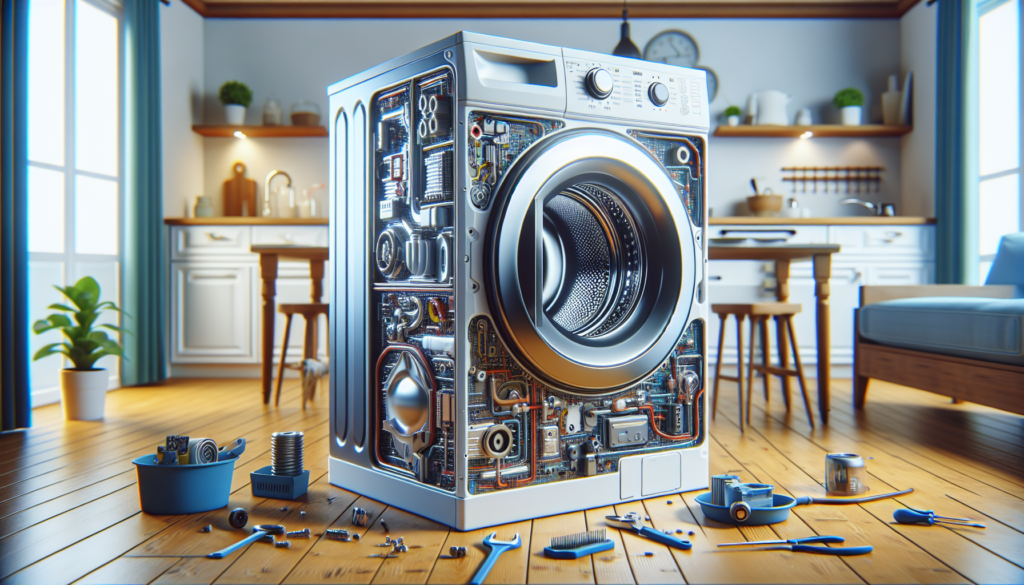
Your washing machine’s water fill system operates through a carefully orchestrated sequence. When you start a cycle, the control board sends a signal to the water inlet valve, which opens to allow hot and cold water to flow through separate supply lines. The water level sensor (also called a pressure switch) monitors how much water enters the tub and signals when to stop filling.
This system relies on adequate water pressure (typically 20-100 PSI), clean inlet screens, and properly functioning electrical components. When any part fails, your machine either won’t fill at all, fills too slowly, or stops mid-cycle.
The most common culprits include: • Clogged inlet valve screens • Faulty water inlet valve solenoids • Defective water level sensor • Blocked water supply lines • Low water pressure
Check your water supply first – turn on nearby faucets to ensure you have adequate pressure and flow before diving into appliance diagnostics.
Diagnosing Water Inlet Valve Problems

AI Generated image · DALL-E 3
The water inlet valve contains two solenoids (one for hot, one for cold) that open when energized. Mineral buildup and debris commonly clog the fine mesh screens at each inlet, restricting water flow even when the valve functions electrically.
Start by disconnecting power and shutting off both water supply valves behind your machine. Remove the inlet hoses from the back of the washer – you’ll see threaded connections with small screens inside each port.
Carefully remove these screens with needle-nose pliers. Look for: • Sediment buildup or debris • Torn or damaged mesh • Lime scale deposits • Rust particles
Clean screens thoroughly with an old toothbrush and white vinegar. If screens are damaged, replace them – they’re inexpensive but critical components. washing machine repair
Test the valve’s electrical function by checking continuity across each solenoid with a multimeter. You should read approximately 500-1500 ohms. No continuity indicates a burnt-out solenoid requiring valve replacement.
Troubleshooting Water Level Sensor Issues

AI Generated image · DALL-E 3
The water level sensor uses air pressure in a connected tube to determine water level. As water rises, it compresses air in the tub, which travels through a small tube to the sensor. This pressure triggers the switch to stop water flow when the selected level is reached.
Common sensor problems include: • Disconnected or cracked pressure tube • Clogged tube from detergent buildup • Faulty pressure switch contacts • Incorrect calibration
Locate the pressure tube (usually clear plastic) running from the tub to the sensor near the control panel. Gently blow through the tube – you should hear bubbling in the tub if it’s clear. No bubbling indicates a blockage requiring tube replacement.
Test the sensor by manually applying suction to the tube while checking for continuity changes with a multimeter. The switch should change states as pressure varies. No switching action means sensor replacement is necessary.
If the tube and switch test good but water level seems incorrect, the issue may be in the control board’s programming or wiring connections.
Checking Water Supply and Pressure Issues
Inadequate water pressure ranks as the second leading cause of filling problems after inlet valve failures. Your washing machine needs consistent 20-100 PSI to operate properly – too little and valves won’t open fully, too much and they may stick closed as a safety measure.
Check supply line issues systematically:
- Verify both hot and cold supply valves are fully open
- Inspect inlet hoses for kinks, twists, or internal collapse
- Test water pressure at the connection points
- Look for partial blockages in supply lines
Old rubber inlet hoses deteriorate internally, creating flap-like obstructions that allow some flow but restrict filling speed. Replace hoses every 5-7 years as preventive maintenance.
If you have good pressure at the wall connections but poor flow at the machine, the problem lies within the appliance. If pressure is low throughout your home, contact a plumber to address supply line issues.
Hard water areas experience more frequent inlet valve problems due to mineral deposits. appliance maintenance Installing a water softener can extend component life significantly.
Step-by-Step Inlet Valve Replacement
When cleaning doesn’t restore proper operation, inlet valve replacement becomes necessary. This repair typically costs $80-150 for parts and labor, making it worthwhile for most machines under 10 years old.
Safety first: disconnect power and water supplies before beginning any work.
Replacement steps:
- Remove the top panel or rear access panel
- Photograph wire connections before disconnecting
- Remove inlet hoses and mounting screws
- Install new valve in reverse order
- Test operation before reassembling panels
Match wire positions exactly – incorrect connections can damage the control board or create safety hazards. Most inlet valves use spade terminals that push on firmly.
New valves should restore proper filling speed and water level accuracy. If problems persist after valve replacement, suspect control board issues requiring professional appliance repair professional diagnosis.
Run a complete test cycle after installation to verify proper hot/cold mixing and automatic shut-off at the selected water level.
Preventing Future Water Fill Problems
Regular maintenance prevents 80% of water filling issues and extends appliance life significantly. Most problems develop gradually, giving you opportunities to catch them early.
Monthly maintenance tasks: • Check inlet hoses for bulges, cracks, or leaks • Clean lint and debris from around water connections • Run cleaning cycles to prevent detergent buildup • Monitor filling speed and water levels for changes
Replace inlet hoses every 5-7 years regardless of appearance – internal deterioration isn’t always visible externally. Consider upgrading to braided stainless steel hoses for better durability.
Install whole-house water filtration if you have hard water or sediment issues. Clean water significantly reduces mineral buildup in valves and extends component life.
Address small problems immediately rather than waiting for complete failure. Slow filling often indicates partial blockages that worsen over time and can damage other components through overworking.
Consumer Reports maintenance guide
Frequently Asked Questions
Q: Why does my washing machine fill with only hot or cold water? This indicates one inlet valve solenoid has failed while the other works normally. Replace the entire inlet valve assembly since both solenoids typically fail within months of each other.
Q: How long should it take for a washing machine to fill with water? Most machines should fill completely within 4-8 minutes depending on selected water level. Filling times over 10 minutes indicate flow restrictions requiring attention.
Q: Can I run my washing machine if it’s filling slowly? Avoid using machines with slow fill rates as this can damage pumps, motors, and control boards through extended cycle times and improper water-to-detergent ratios.
Q: What water pressure does my washing machine need? Optimal pressure ranges from 20-100 PSI. Pressure below 20 PSI prevents proper valve operation while pressure above 100 PSI can damage components.
Q: How do I know if my water level sensor is bad? Symptoms include overfilling, underfilling, or cycles that never advance past the fill stage. Test by manually adjusting the pressure tube while monitoring switch operation.
Book a Repair Today
Don’t let a non-filling washing machine disrupt your household routine any longer. While these troubleshooting steps solve many water fill problems, complex electrical issues and internal component failures require professional expertise.
Pros Fix Appliances specializes in washing machine diagnostics and repair throughout the San Fernando Valley. Our certified technicians carry genuine replacement parts and offer same-day service for most brands. We’ll diagnose the exact cause of your filling problems and provide upfront pricing before starting any work.
Call us today to schedule your washing machine repair and get back to clean laundry without the hassle. Your time is valuable – let our experts handle the technical work while you focus on what matters most.