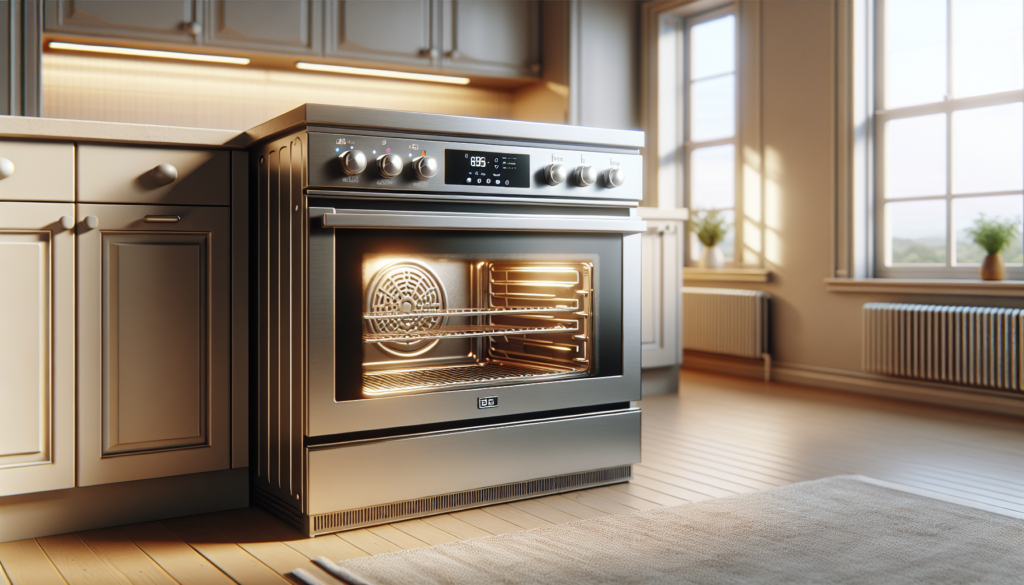
Picture this: you’re ready to bake dinner for the family, you turn the oven dial, press the buttons, and… absolutely nothing happens. No lights, no display, no heating – just a completely dead oven staring back at you like it’s never worked a day in its life.
When your oven refuses to turn on, it’s not just inconvenient – it can derail your entire meal plan. The good news? Most “dead” ovens suffer from common issues that you can often diagnose and sometimes fix yourself before calling in the professionals.
Check Power Supply and Electrical Connections First

AI Generated image · DALL-E 3
Before diving into complex diagnostics, start with the basics. Power supply issues cause 40% of oven startup failures, making this your most likely culprit.
Check your circuit breaker panel first. Ovens draw significant power, and breakers can trip without obvious signs. Look for any switches in the middle position or completely flipped to “off.” Reset any tripped breakers by switching them fully off, then back on.
Next, verify the electrical outlet. Unplug your oven completely and plug in another high-wattage appliance like a hair dryer or vacuum cleaner. If that device doesn’t work, you’ve found your problem – the outlet itself has failed.
For hardwired ovens, check the electrical connection at the junction box. Turn off power at the breaker before inspecting any wiring. Look for loose connections, burned wires, or signs of overheating around wire nuts.
Your immediate action: Test the power source with another appliance before assuming your oven is broken.
Diagnose Control Board and Display Problems

AI Generated image · DALL-E 3
The control board acts as your oven’s brain, and when it fails, the entire unit goes dark. Control board failures often show specific symptoms that help pinpoint the exact problem.
A completely blank display usually indicates either no power reaching the control board or a failed board itself. However, if you see partial display elements – maybe some numbers show but buttons don’t respond – the board is getting power but has internal failures.
Check for error codes first. Many ovens display fault codes when the control board detects problems. Common codes include F1 (control board failure), F2 (oven temperature too high), or F3 (open oven temperature sensor). Consult your owner’s manual for specific code meanings.
Test individual controls systematically. Press each button and turn each dial while watching for any response – flickering lights, brief displays, or clicking sounds. A control board that responds intermittently often has failing solder joints that a professional can sometimes repair.
Your immediate action: Document any error codes or partial responses before they disappear – this information helps technicians diagnose the exact failure point.
Troubleshoot Safety Lock and Child Lock Features

AI Generated image · DALL-E 3
Modern ovens include multiple safety systems that can prevent startup, and accidentally activated locks cause more “dead oven” calls than actual mechanical failures.
The control lock (child lock) is the most common culprit. This feature disables all controls to prevent accidental operation. Look for a key symbol, lock icon, or “LOCK” text on your display. The unlock procedure varies by brand but typically involves pressing and holding specific button combinations.
For most ovens, try holding the “Start” and “Cancel” buttons simultaneously for 3-5 seconds. Some models require holding “Clock” and “Start” or pressing “Control Lock” for several seconds. You’ll usually hear a beep or see the lock symbol disappear when successful.
Self-cleaning cycle locks present another issue. If your oven was recently in self-clean mode, the door lock mechanism might still be engaged even though cleaning finished. Wait 30-45 minutes after the cycle ends – the door must cool completely before unlocking.
Check for a manual door lock override. Some ovens have a small lever or switch near the door latch that can manually disengage stuck locks.
Your immediate action: Try the most common unlock sequence (Start + Cancel for 5 seconds) before exploring other possibilities.
Test Door Switches and Safety Sensors
Safety switches prevent oven operation when doors aren’t properly closed, and these switches fail more often than you’d expect. A faulty door switch makes your oven appear completely dead even when everything else works perfectly.
Inspect the door latch mechanism first. Close the door firmly and listen for a definitive clicking sound – this indicates the latch engaged properly. If the door feels loose or doesn’t click, the latch assembly may be worn or misaligned.
Test the door switch directly by opening and closing the door several times while pressing start. A working switch should prevent any oven operation with the door open. If the oven tries to start with the door ajar, the switch has failed and needs replacement.
Look for visible damage around the door frame where switches mount. Bent mounting brackets, cracked switch housings, or loose wiring connections all prevent proper switch operation.
Many ovens also have oven temperature sensors that must register normal temperatures before startup. A failed temperature sensor can prevent ignition even when everything else works. These sensors typically mount inside the oven cavity and look like metal probes with attached wiring.
Your immediate action: Open and close the oven door firmly several times, listening for consistent latch engagement sounds.
Inspect Gas Valve and Ignition System (Gas Ovens)
Gas ovens require multiple systems working together, and ignition system failures often masquerade as complete power failures because nothing visible happens when you turn controls.
The igniter is your first checkpoint. Turn your oven to any bake setting and watch inside for a glowing element near the bottom. A working igniter glows bright orange or white-hot within 30-90 seconds. If you see no glow at all, the igniter has failed.
However, a glowing igniter that never lights the gas indicates a bad safety valve. This valve only opens when the igniter draws sufficient current, proving it’s hot enough for safe ignition. Weak igniters glow but can’t draw enough current to open the valve.
Check gas supply to your home. Other gas appliances should work normally – if your gas range, water heater, or other gas devices also won’t light, contact your gas company immediately.
Listen for clicking sounds when starting the oven. Rapid clicking usually means the igniter is trying to light but gas isn’t flowing properly. Continuous clicking without ignition suggests timing problems in the control system.
Your immediate action: Set your oven to bake and watch for igniter glow – this tells you immediately whether electrical or gas components failed.
When to Call Professional Technicians
Electrical work beyond basic outlet testing requires professional expertise for safety and code compliance. If you’ve confirmed power reaches your oven but controls still don’t respond, internal electrical components likely need replacement.
Control board replacement involves complex wiring and often requires programming new boards to match your specific oven model. Incorrect installation can damage other expensive components or create safety hazards.
Gas system repairs always need professional handling. Never attempt gas valve, regulator, or supply line work yourself – improper repairs can cause gas leaks, fires, or explosions.
Temperature sensor replacement seems simple but requires precise positioning and often involves removing oven racks and interior panels. Professional technicians have the right tools and experience to avoid damaging delicate oven interiors.
professional appliance diagnostics
If multiple symptoms appear simultaneously – like partial display function combined with gas ignition problems – complex interactions between systems require professional diagnostic equipment to identify root causes.
Your immediate action: Contact professional repair services if basic power and safety lock checks don’t restore oven operation.
Frequently Asked Questions
Q: Why does my oven have power but won’t start heating? This usually indicates control board issues, failed safety switches, or activated lock modes. Check for error codes and try unlocking procedures before assuming component failure.
Q: How long should I wait after a power outage before my oven works normally? Most ovens reset immediately after power restoration, but some models require 5-10 minutes to complete internal diagnostics. Digital displays may flash or show “12:00” during this reset period.
Q: Can a bad door seal prevent my oven from turning on? Severely damaged door seals can prevent proper door closure, which triggers safety switches that prevent operation. However, minor seal wear typically doesn’t affect startup.
Q: Why does my oven work intermittently – sometimes starting, sometimes not? Intermittent operation usually indicates failing control boards, loose electrical connections, or worn safety switches. These components often work partially before failing completely.
Q: Is it safe to use my oven if I have to jiggle the door to make it start? No – this indicates failing door switches or latch mechanisms that compromise safety systems. Stop using the oven and schedule professional repair to prevent potential hazards.
Book a Repair Today
Don’t let a dead oven disrupt your cooking routine any longer. While some basic checks can identify simple issues like tripped breakers or activated locks, most startup failures require professional diagnosis and repair.
Our appliance repair technicians at Pros Fix Appliances have the expertise and specialized tools to quickly identify why your oven won’t turn on. We service all major brands and can often complete repairs the same day, getting your kitchen back to full operation.
Contact us today to schedule your oven repair appointment. Your family’s next home-cooked meal shouldn’t have to wait for guesswork – let our professionals restore your oven’s reliable operation with expert service you can trust.