Short answer: A student housing appliance inspection should run every unit's refrigerator (40°F or below, freezer at 0°F), range and oven, dishwasher, washer, dryer, microwave and disposal through a real cycle, and photograph each appliance with its model plate. Schedule it two to four weeks before move-in so ordered parts arrive and repairs stay out of move-in week.
This checklist is for property managers and maintenance teams running student housing in Los Angeles, Orange and Ventura counties, where many leases turn over in the same few weeks of late summer. It covers what to test on each appliance, the damage a year of student use tends to leave, how to document it and how to schedule repairs. For year-round turnovers, see our apartment turnover appliance checklist.
When should you inspect appliances before student move-in?
Inspect student housing appliances two to four weeks before keys go out. Many repairs are finished on the first visit, but control boards and brand-specific parts are often ordered after diagnosis, and that takes days.
Late summer is also when nearby student properties all need the same vendors. Inspecting a month out and approving repairs right away keeps your units off a waiting list. Work orders received before noon are usually dispatched the same day across LA, Orange and Ventura counties; later ones go out the next business day.
What should a move-in appliance inspection include?
A move-in appliance inspection should run each appliance through a real cycle, not just a power-on test, and look closely at the parts students break most.
| Appliance | Test | Pass | Common damage after a student lease |
|---|---|---|---|
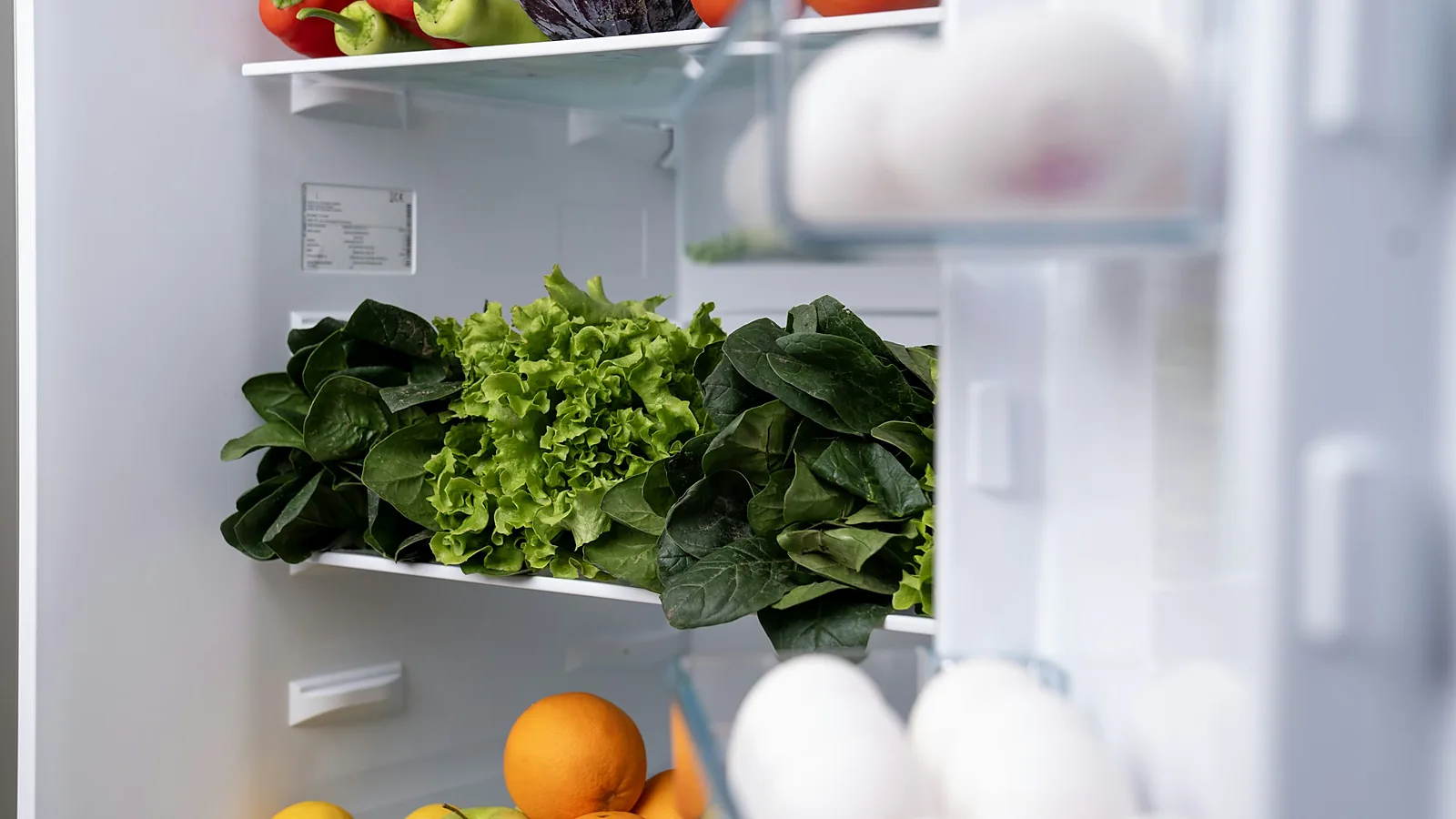
| Refrigerator and freezer | Thermometer in each section after the doors stay shut a few hours; gaskets, shelves, bins | 40°F or below; freezer 0°F or below; gaskets seal all around | Broken crisper drawers and door bins, torn gaskets, frost from doors left ajar |
| Range and oven | Light or heat every burner; bake at 350°F with an oven thermometer; broil; anti-tip bracket | Every burner works; oven holds temperature; bracket engaged | Missing knobs, clogged burner ports, cracked glass tops, warped racks |
| Dishwasher | Short cycle | Fills, drains, no leaks; door latches | Clogged filter, broken rack tines, suds from hand dish soap |
| Washer | Fill, spin and drain; hoses; drain pan | Drains and spins; no bulging hoses | Coins and hair ties in the pump filter, mildew in front-load door gaskets |
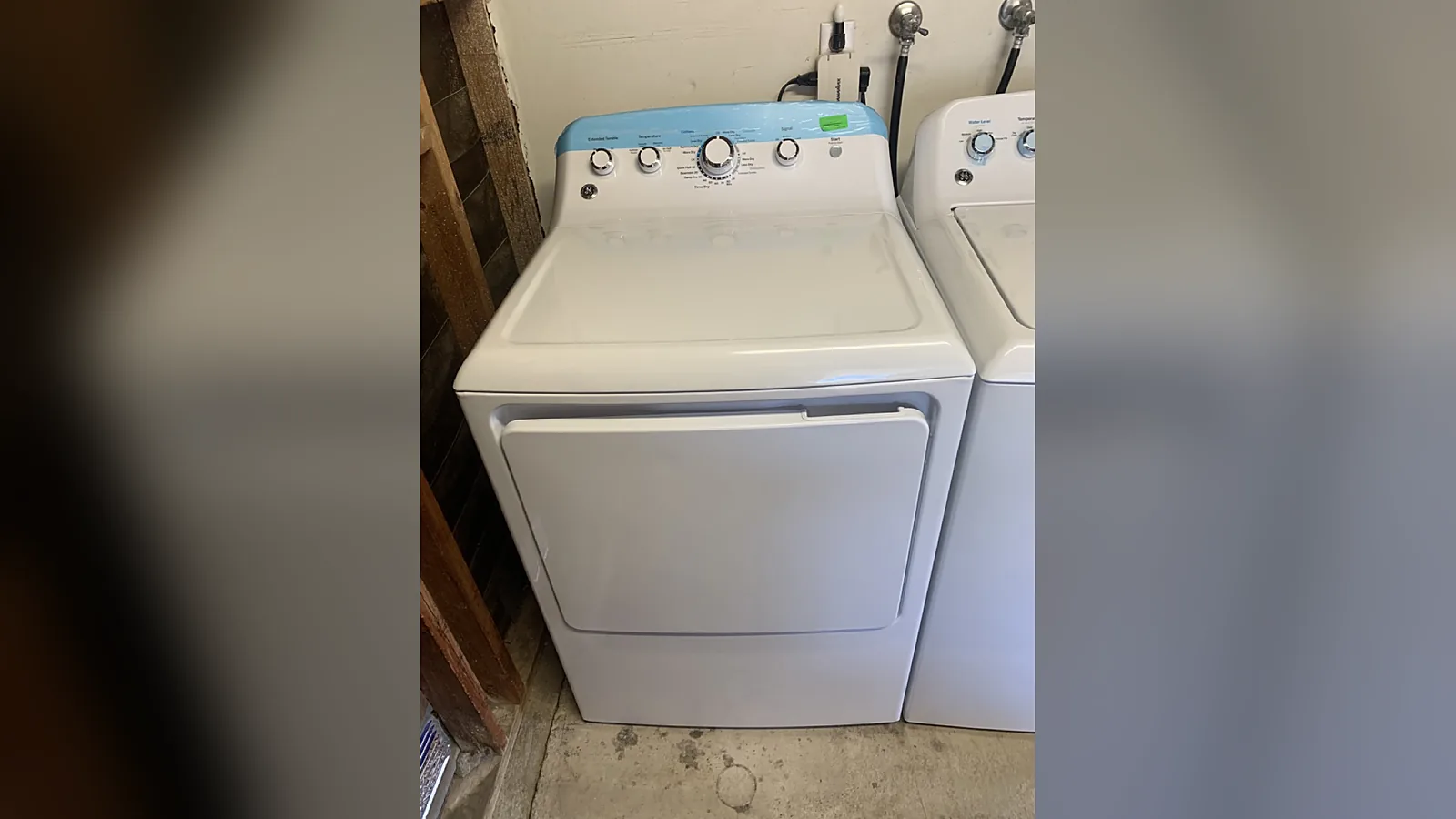
| Dryer | Timed dry with damp towels; lint screen; vent duct | Heats and tumbles; duct connected and clear | Torn lint screens, lint-packed or crushed ducts |
| Microwave | Heat a cup of water for one minute; door; turntable | Water warm; door closes firmly | Sparking marks from foil or metal, broken trays |
| Garbage disposal | Run with cold water | Spins without humming; dry underneath | Jams from bottle caps and utensils |
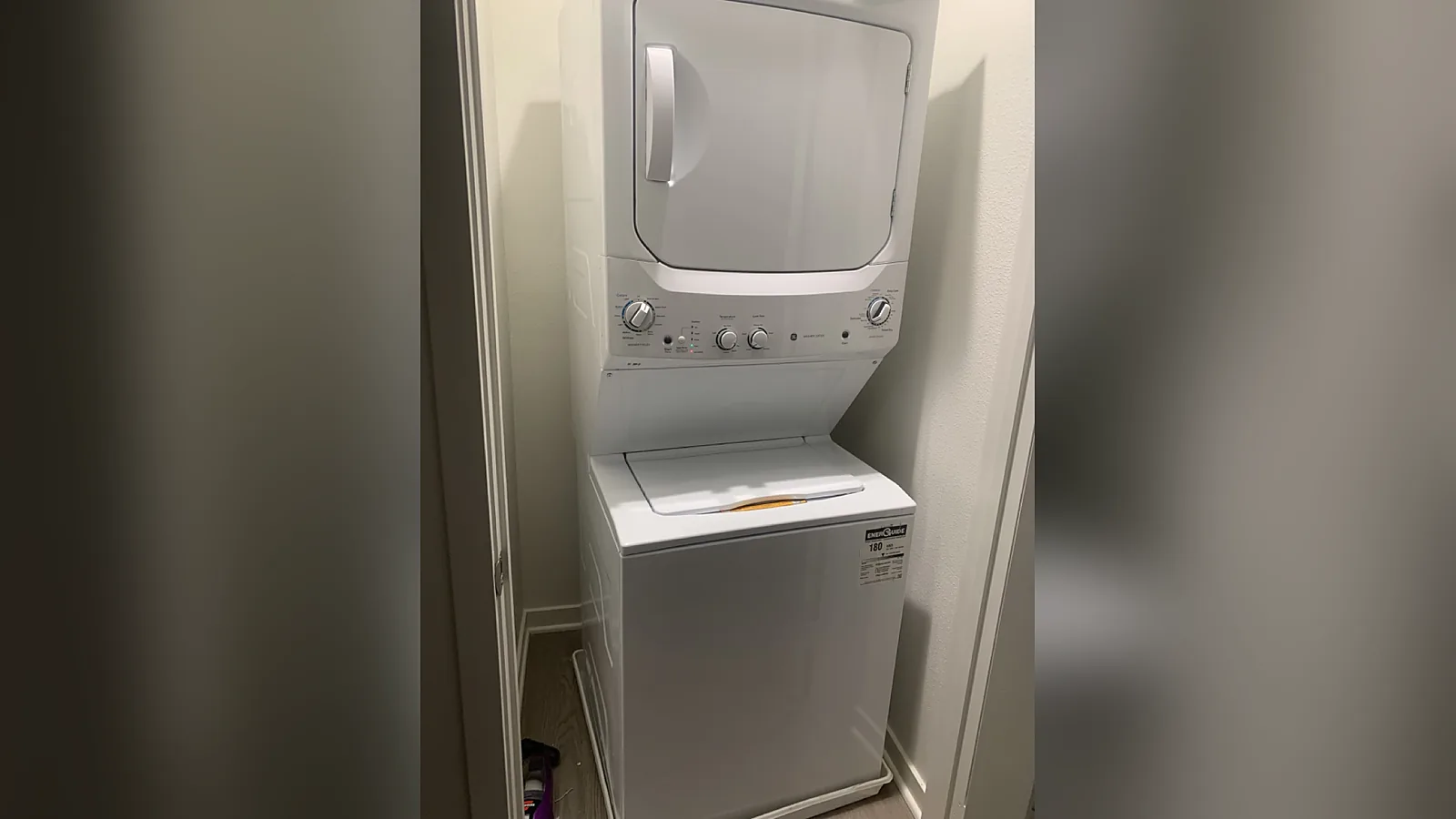
The refrigerator targets are the ones FoodSafety.gov lists for safe cold storage. Dryer ducts are a safety item, not a cosmetic one: the U.S. Fire Administration found failure to clean was the leading factor in home clothes dryer fires in 2018–2020, at 31%. Stacked washer-dryers in closets hide both the duct and the drain pan, so slide the unit out or check with a flashlight.
What maintenance staff can fix, and where to stop
Quick swaps and cleaning are fair game for in-house maintenance staff; gas, high voltage, refrigerant and water near wiring are not.
Quick wins for in-house staff
- Replace crisper drawers, door bins, shelves, knobs and oven racks, ordered by model number; our guide on how to find an appliance model number shows where the plate is.
- Replace torn lint screens and expired refrigerator water filters.
- Vacuum refrigerator condenser coils and clean dishwasher filters and front-load washer pump filters.
- Clear disposal jams with a 1/4-inch hex key, with the power off.
- Level washers, and reconnect loose dryer ducts with metal duct.
Stop points
- Gas smell: get everyone out, don't touch switches, and call SoCalGas or 911 from outside.
- Sparks, a burning smell, or a breaker that trips again after a reset.
- Microwave internals: never open the cabinet; its capacitor can hold a dangerous charge even unplugged.
- 240-volt dryers and ranges, and refrigerant: leave the panels and the sealed system to a technician.
- Water near outlets or wiring.
How should you document a move-in appliance inspection?
Document a move-in appliance inspection with dated photos filed by unit number, so move-in, move-out and work orders all point to the same record.
- Photograph each appliance from the front, then its model and serial plate.
- Photograph any damage close up.
- Record the refrigerator and freezer readings and the oven test result.
- Mark each item pass, in-house fix or work order, with the date and the inspector's name.
- Attach the photos to the work order so the technician brings the right part.
- Include the appliance section in the resident's move-in condition report.
On every ticket, Pros Fix Appliances photographs the fault and the repair, and we can supply turnover inspection reports by unit as PDFs.
Scheduling repairs around move-in week
Schedule move-in repairs by urgency and location: food safety and leaks first, cosmetic items last, batched by building.
- Batch work orders by building and floor so one technician visit covers a stack of units.
- Put refrigerators, freezers and anything leaking at the top of the list.
- Send work orders with model numbers and photos, before noon when you can.
- Decide repair or replace while the unit is empty, using the 50% rule: repair when the quote is under half the price of a comparable new unit and the appliance has life left, roughly 10–12 years for mainstream refrigerators, washers and dishwashers and 15 for ranges and dryers.
When to bring in an appliance vendor
Bring in an appliance vendor when a repair needs diagnosis, a part or any of the stop points above, and early enough to beat the late-summer rush.
Pros Fix Appliances does turnover inspections and repairs for property managers across Los Angeles, Orange and Ventura counties. Diagnostics are $69 for most in-unit appliances and $85 for refrigerators and freezers, applied to the repair, and $120 for commercial laundry equipment in shared laundry rooms, with the same fees everywhere and no travel charge. For shared laundry rooms, our guide to a Speed Queen commercial washer that won't drain covers the most common call. Typical prices are on our refrigerator repair and dryer repair pages. We bill Net-30 by unit, PO or work order on approved accounts and work in AppFolio, Yardi, RealPage, Buildium and Entrata. Our certificate of insurance, W-9 and BHGS registration (A49955) are available on request; here's what to check in a vendor's certificate of insurance. Call (866) 696-7767 or book online.
Frequently asked questions
How far ahead should we schedule move-in appliance inspections?
Two to four weeks before keys go out. That leaves time for parts ordered after diagnosis and keeps repairs out of move-in week, when vendor calendars are fullest. Work orders received before noon are usually dispatched the same day across LA, Orange and Ventura counties.
What temperature should a refrigerator be at move-in?
40°F or below in the fresh-food section and 0°F or below in the freezer, the temperatures FoodSafety.gov lists for safe cold storage. Check with an appliance thermometer after the doors have stayed closed for a few hours; a refrigerator that won't hold 40°F needs service before a resident moves in.
What paperwork should an appliance vendor provide before turnover work?
A current certificate of insurance naming your company as certificate holder, and as additional insured if your contract requires it, plus a W-9 and the vendor's BHGS registration, which you can check on the California Department of Consumer Affairs license search. Collect them before the first work order, not during move-in week.
Turn a resident's call into a work order
Pick the appliance and what it's doing, add the unit, and copy a clean work order — likely causes and our fees included.
- Diagnostic
- $69 · $85in-unit · refrigeration; $120 commercial
- Same-day
- Call before noonMost LA, OC & Ventura calls seen today
- Warranty
- 30–90 daysparts and labor