That heart-stopping BANG! CLUNK! BANG! from your laundry room isn’t your house settling—it’s your dryer crying for help, and ignoring it could turn a $50 repair into a $500 nightmare.
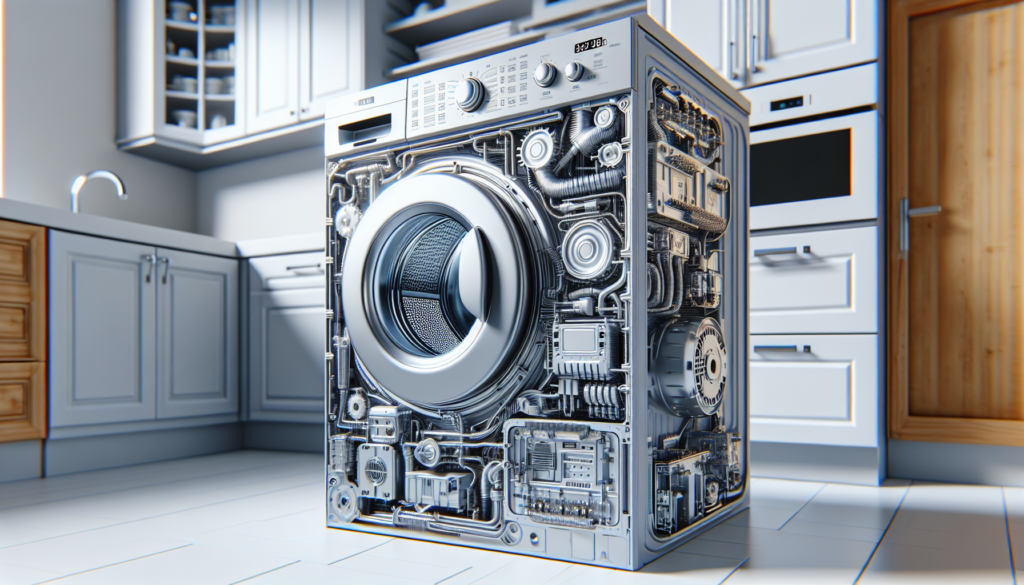
When your dryer starts sounding like a demolition crew, the culprit is usually worn internal components that have reached their breaking point. The good news? Most banging noise issues stem from predictable wear patterns that you can diagnose and often fix yourself with basic tools and replacement parts.
Common Causes of Dryer Banging Noises

AI Generated image · DALL-E 3
The banging sounds in your dryer typically originate from these key problem areas:
• Worn drum support rollers – These small wheels support your drum’s weight and create thunderous banging when they fail • Damaged drive belt – A frayed or stretched belt causes erratic drum movement and loud slapping sounds • Faulty drum bearings – Front and rear bearings wear out, causing metal-on-metal grinding and banging • Loose blower wheel – Creates rhythmic banging that matches the drum’s rotation speed • Foreign objects – Coins, buttons, or small items trapped between drum and housing
Start by unplugging your dryer and manually rotating the drum by hand. If you feel resistance, grinding, or hear scraping sounds, you’ve confirmed internal component failure.
Diagnosing Worn Drum Support Rollers

AI Generated image · DALL-E 3
Drum support rollers are the most common cause of banging noises, especially in dryers over 5 years old. These plastic or rubber wheels bear the entire weight of your loaded drum.
Signs of roller failure: • Loud banging during the spin cycle • Drum feels wobbly when rotated by hand • Visible flat spots or cracks on roller surfaces • Black rubber debris inside the dryer
To inspect the rollers, remove the dryer’s top panel (usually held by clips or screws) and lift out the drum. The support rollers are mounted on the rear bulkhead and should spin freely without flat spots or excessive wear.
Replace rollers in complete sets – even if only one appears damaged. Mismatched rollers create uneven drum support and premature failure of the new parts.
Checking and Replacing the Drive Belt

AI Generated image · DALL-E 3
A worn or damaged drive belt creates distinctive banging and slapping sounds as it struggles to maintain proper tension around the drum and motor pulley.
Belt problem indicators: • Intermittent banging followed by normal operation • Drum rotates freely by hand (belt completely broken) • Visible fraying, cracking, or stretching on belt surface • Burning rubber smell during operation
With the drum removed, examine the belt path around the motor pulley, idler pulley, and drum. A properly functioning belt should have consistent tension and no visible damage.
When installing a new belt, ensure it follows the correct routing path – typically around the drum, under the motor pulley, and over the idler pulley. Incorrect belt routing causes immediate failure and potential motor damage.
Inspecting Front and Rear Drum Bearings
Drum bearings support the front and rear of the drum assembly. When these wear out, you’ll hear grinding, squealing, and banging as metal components make contact.
Bearing failure symptoms: • Grinding noise that increases with drum speed • Visible wear marks on drum shaft • Drum tilts or sits unevenly in housing • Metal shavings or debris around bearing areas
Front bearing inspection: Look for wear on the drum’s front shaft where it contacts the bearing race. Excessive play or visible scoring indicates replacement needed.
Rear bearing check: Examine the rear drum support center where the shaft penetrates the bulkhead. Worn bearings allow excessive drum movement and create banging sounds.
Professional tip: Bearing replacement often requires special tools and precise alignment. Consider professional service for this repair to avoid costly mistakes.
Troubleshooting Blower Wheel Issues
The blower wheel circulates air through your dryer and can create rhythmic banging when it becomes loose, damaged, or clogged with lint buildup.
Blower wheel problems: • Banging synchronized with drum rotation • Reduced airflow and longer drying times • Visible lint accumulation around motor housing • Wheel wobbles or has loose mounting
Access the blower wheel by removing the front panel and disconnecting the motor assembly. The wheel should be firmly attached to the motor shaft with no lateral movement.
Clean lint buildup from wheel fins and housing, then check the mounting clamp for tightness. A loose blower wheel creates dangerous vibrations that can damage the motor and drive system.
Removing Foreign Objects and Debris
Small items trapped between the drum and housing create intermittent banging sounds that can be difficult to locate without proper inspection.
Common trapped items: • Coins and keys from pockets • Buttons, zippers, and metal fasteners • Broken plastic components • Accumulated lint and debris
Systematic object removal:
- Remove the lint filter and shine a flashlight into the housing
- Rotate the drum slowly while listening for rattling sounds
- Check the drum’s exterior ribs for caught items
- Inspect the door seal area for trapped debris
Use needle-nose pliers or a coat hanger to carefully extract foreign objects. Never reach into the dryer with the power connected – always unplug the unit first.
Preventive Maintenance to Stop Future Banging
Regular maintenance prevents most banging noise issues and extends your dryer’s lifespan significantly.
Monthly maintenance tasks: • Clean lint filter after every load • Inspect and clean exhaust vent quarterly • Check drum for foreign objects weekly • Listen for unusual sounds during operation
Annual professional maintenance should include roller lubrication, belt tension adjustment, and complete internal cleaning. This $100-150 investment prevents major repairs and improves energy efficiency.
Stop using fabric softener sheets excessively – they create residue buildup that accelerates component wear and reduces airflow efficiency.
Frequently Asked Questions
Q: Why does my dryer only bang when it’s loaded with clothes? The additional weight stresses worn components like support rollers and bearings, making problems more apparent under load.
Q: Can I continue using my dryer if it’s making banging noises? No – continued operation can cause catastrophic failure, motor damage, and potential fire hazards from overheating components.
Q: How much should dryer roller replacement cost? Professional roller replacement typically costs $150-250 including parts and labor, while DIY replacement costs $30-60 for parts.
Q: Why do my new rollers still make noise? New rollers need a break-in period, but persistent noise suggests improper installation or other underlying issues requiring professional diagnosis.
Q: How often should dryer rollers be replaced? Quality rollers should last 8-12 years with normal use, but heavy usage or poor maintenance can reduce this to 5-7 years.
Book a Repair Today
Don’t let dryer banging noises disrupt your household routine or risk expensive component damage. Our certified technicians at Pros Fix Appliances have the expertise and genuine parts to restore your dryer’s quiet, efficient operation.
Call us today for same-day diagnosis and repair service. We guarantee our work and offer transparent pricing with no hidden fees. Your laundry routine deserves reliability – let us deliver it.