Short answer: Who pays for appliance repair in a condo depends on where the appliance is. In most California condos the owner pays for appliances inside the unit, and the association pays for equipment in common areas such as a shared laundry room. Your CC&Rs can change that split, so read them first. Leaks that damage a neighbor's unit are an insurance question as well.
This guide is for condo owners, HOA board members and community managers in Los Angeles, Orange and Ventura counties who are looking at a broken appliance and a repair bill nobody wants. It explains the default rule in California, the cases that cause arguments, and what to put in writing. It's general information from a repair company, not legal advice; your governing documents and your association's attorney have the final word.
Who pays for appliance repair in a condo under California law?
California's Davis-Stirling Act sets a default in Civil Code section 4775: unless the association's declaration (the CC&Rs) says otherwise, the association repairs and maintains the common area, and each owner repairs and maintains their own separate interest, meaning the unit. For exclusive-use common area, such as a balcony or a storage space assigned to one unit, the default is that the owner maintains it and the association repairs and replaces it. The same section also makes the association responsible for the repairs needed to restore interrupted gas, heat, water or electric service when the problem starts in the common area, even if it reaches into a unit, and the board has to start that process within 14 days.
Two points follow. First, an appliance inside a unit is normally the owner's. Second, "unless the declaration says otherwise" matters: CC&Rs often define the unit's boundaries and assign specific items, so the same dryer vent can be the owner's in one building and the association's in the next.
Who usually pays for what?
| Equipment | Usually responsible | Check your CC&Rs for |
|---|---|---|
| Refrigerator, range, dishwasher, microwave, disposal inside the unit | Owner | Whether appliances were included as part of the unit when built |
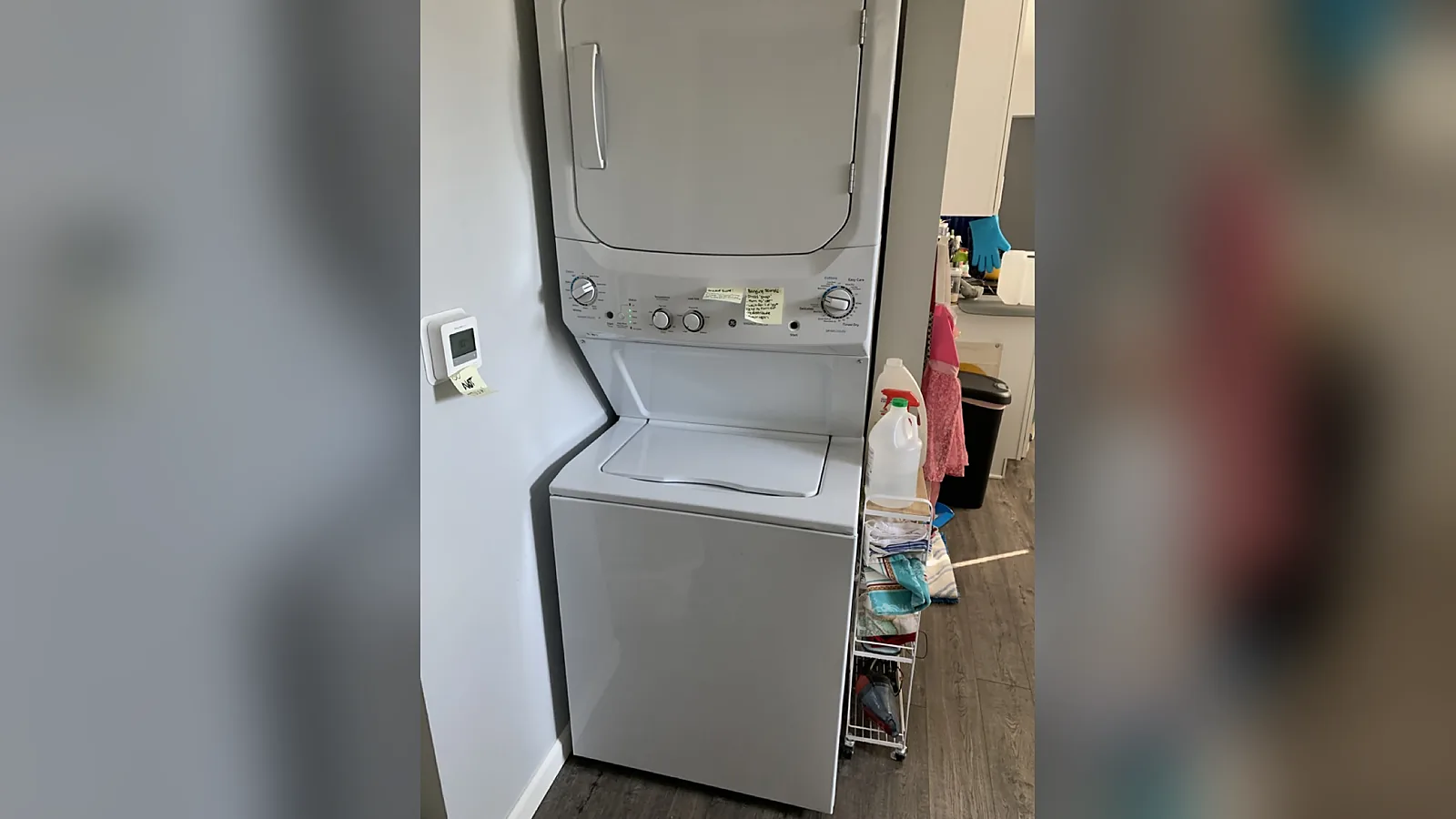
| In-unit washer and dryer | Owner | Rules on hoses, drain pans and leak sensors |
| Shared laundry room machines | Association, or a laundry route company under contract | Who holds the service contract |
| Clubhouse, lobby or rooftop kitchen appliances | Association | Nothing unusual |
| Dryer vent duct inside walls or running to the roof | Varies | Whether ducts serving one unit are part of the unit, exclusive-use common area or common area |
| Water supply valve and lines behind an appliance | Varies | Where the unit's plumbing ends and common plumbing begins |
Where do the arguments start?
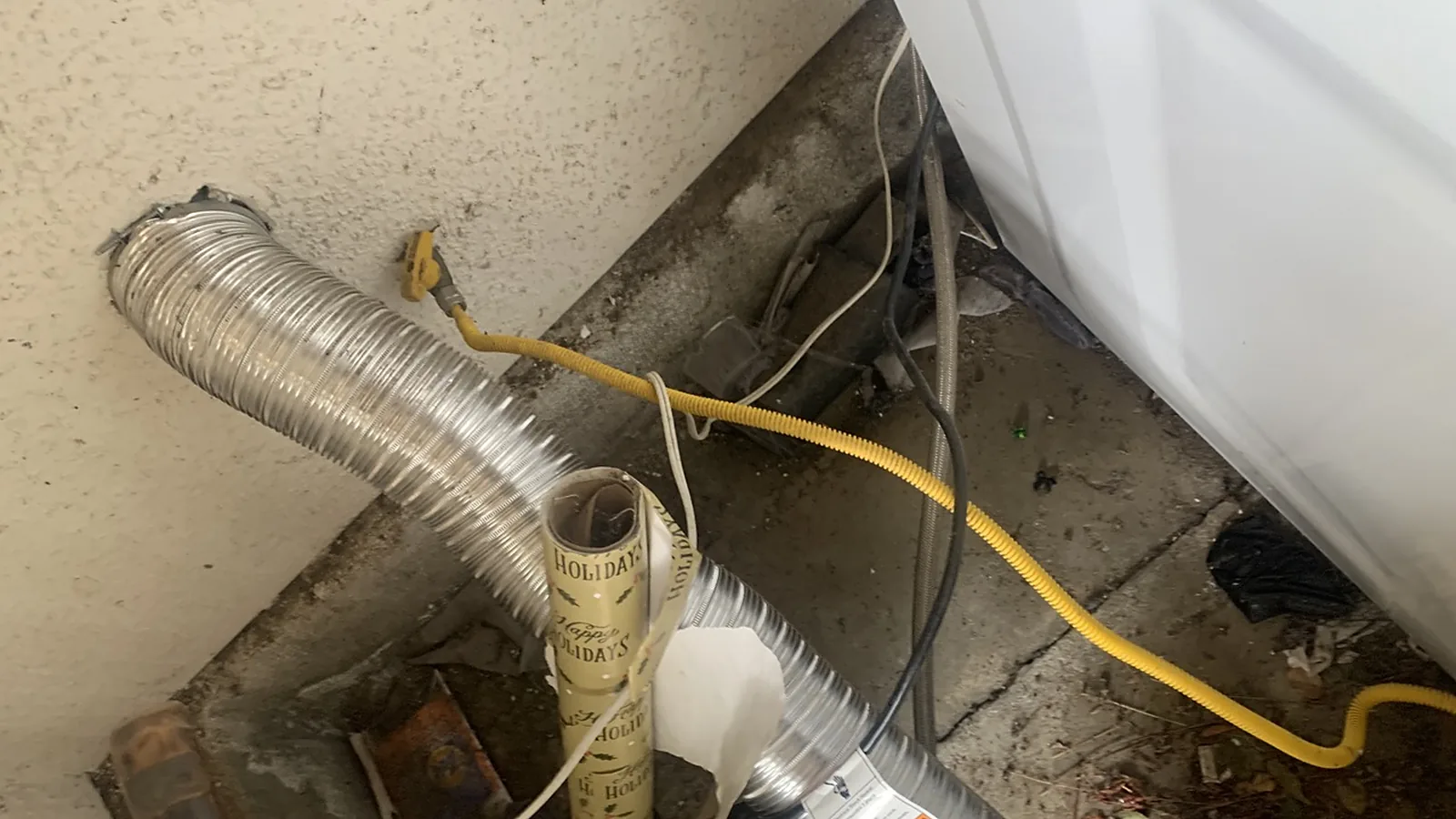
Dryer vents. The dryer belongs to the owner, but the duct often runs through common walls to a roof or side exit. A dryer that takes two cycles to dry in a mid-rise is frequently a duct problem, not a dryer problem. Many associations clean all the ducts on a schedule for fire safety and bill it through dues; others leave it to each owner. A technician can tell you whether the fault is in the appliance or the duct, which settles whose problem it is.
Appliances that came with the building. In luxury towers, built-in refrigeration and ranges were installed by the developer in every unit. They're still normally the owner's to repair once the unit is sold, but some buildings arrange service through management as an amenity, billed back to the owner.
Shutoff valves. A leaking valve behind a refrigerator or washer is plumbing, not the appliance, and whether it's the owner's or the association's depends on how the CC&Rs draw the line. If the whole unit has lost water or gas because of a problem in the building's lines, that's the association's repair under the rule above.
What if an appliance leak damages another unit?
Stop the water first: close the valve behind the appliance, or the unit's main shutoff, and tell building management immediately, since water moves between floors fast. After that it becomes an insurance matter as well as a repair. The owner's policy, the association's master policy and the CC&Rs each play a part, and responsibility for the damage isn't always the same as responsibility for the appliance. Ask your insurer and the manager before agreeing to pay for anything beyond your own repair.
What helps most afterward is a clear record of what failed. Our line is answered around the clock, with after-hours dispatch for active leaks.
What if the unit is rented?
Then there's a third party. Between the association and the owner, the CC&Rs decide. Between the owner and the tenant, the lease decides who arranges and pays for appliance repairs, within California's landlord-tenant rules. If you rent your condo, report a broken appliance to your landlord or their manager in writing before calling anyone.
What should you document on a condo appliance repair?
- The unit number, the appliance's brand and model, and the date the problem started.
- Photos of the fault and of any water, before cleanup.
- The technician's written finding: what failed and whether the cause was the appliance, the duct, the valve or the building's supply.
- The invoice, showing the part replaced and the warranty term.
- Any notice you gave to, or received from, management.
Can one company serve both owners and the association?
Yes, and it simplifies access. We service individual owners and associations in condo and high-rise buildings across Los Angeles, Orange and Ventura counties, including towers in Century City and Santa Ana. Owners pay the residential diagnostic, $69, or $85 for refrigeration, applied to the repair. Association-owned commercial equipment, such as commercial laundry machines, has a $120 diagnostic, also applied to the repair. There's no travel charge.
For management, we provide a certificate of insurance and our California BHGS registration (A49955) for the building's vendor file; our guide to a certificate of insurance for an appliance vendor explains what to ask for. Built-in brands common in these buildings, such as Sub-Zero, are a regular part of our work; we're independent, not a factory service center, and use OEM parts whenever available. Details are on our HOA and condo appliance repair page. Call (866) 696-7767 or book online.
Frequently asked questions
Is the HOA responsible for appliances inside my condo?
Usually not. Under California's default rule in Civil Code 4775, owners repair and maintain their own unit, which normally includes the appliances in it, and the association handles the common area. Your CC&Rs can assign things differently, so check them and ask your manager if they're unclear.
Who is responsible for cleaning the dryer vent in a condo?
It depends on the CC&Rs. The dryer is the owner's, but the duct often runs through common walls. Some associations clean every duct on a schedule and pay through dues; others make each owner responsible. Ask management which applies, and have a technician confirm whether the problem is the duct or the dryer.
Who pays if my washer leaks into the unit below?
That's decided by the CC&Rs and the insurance policies involved, not by a single rule. Stop the water, notify management at once, document the cause and contact your insurer before agreeing to pay for damage. This guide is general information, not legal advice.
Can my HOA require me to use a specific appliance repair company?
Associations commonly require vendors working in the building to carry insurance and check in with management, and some keep a preferred-vendor list. Whether they can require a specific company for your in-unit repairs depends on your governing documents. Ask the manager what a vendor needs to provide before the visit.
Turn a resident's call into a work order
Pick the appliance and what it's doing, add the unit, and copy a clean work order — likely causes and our fees included.
- Diagnostic
- $69 · $85in-unit · refrigeration; $120 commercial
- Same-day
- Call before noonMost LA, OC & Ventura calls seen today
- Warranty
- 30–90 daysparts and labor